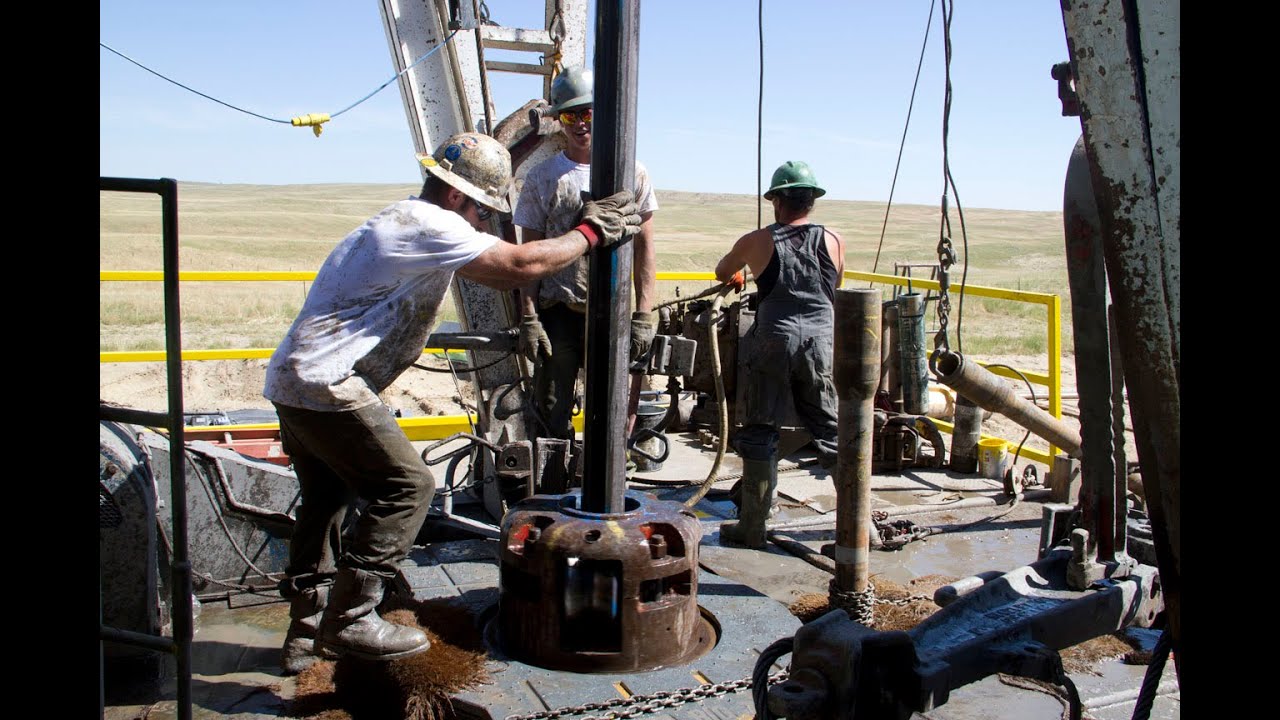
The oil industry demands resilience, focus, and endurance. Employees often work long hours, face high-pressure tasks, and spend weeks away from home in remote locations. While these conditions drive production and economic growth, they also create a heightened risk for substance use and addiction. Understanding the connection between workplace stress and addiction is critical for employees, families, and employers who want to prevent long-term consequences and support recovery.
Why Oil Industry Workers Are Vulnerable
Oil industry professionals encounter unique stressors that can contribute to substance use. Extended shifts, physically demanding tasks, and isolated work environments can lead to fatigue, anxiety, and emotional strain. Without healthy coping strategies, some workers may turn to alcohol, prescription medications, or other substances to manage stress or discomfort.
Isolation from family and community further exacerbates the problem. Time spent on rigs or at remote drilling sites limits access to social support and mental health resources. Recognizing addiction as a health issue rather than a personal failure is the first step toward prevention and treatment.
Early Warning Signs of Addiction
Families and coworkers are often the first to notice changes in behavior. Identifying early warning signs can lead to timely intervention and better recovery outcomes. Common indicators include:
Behavioral Changes
- Mood swings or increased irritability
- Withdrawal from family, friends, or coworkers
- Neglecting personal responsibilities or hobbies
Workplace Red Flags
- Declining performance or attention to safety protocols
- Frequent absenteeism or tardiness
- Poor decision-making or riskier work behavior
Physical and Emotional Symptoms
- Chronic fatigue or irregular sleep patterns
- Noticeable changes in appearance or weight
- Signs of anxiety, depression, or emotional instability
Recognizing these patterns early allows employees and families to seek support before addiction escalates.
Professional Treatment Options
Recovery is possible with professional care that addresses both substance use and underlying stressors. Holistic and individualized treatment approaches are particularly effective for oil industry employees.
Inpatient and Outpatient Programs
Inpatient programs provide a structured environment with round-the-clock medical supervision, therapy, and support, making them ideal for severe addiction or co-occurring mental health conditions. Outpatient programs allow employees to maintain work responsibilities while participating in counseling, therapy sessions, and relapse prevention programs. Both approaches focus on building practical coping skills and long-term resilience.
Holistic and Faith-Based Care
Holistic programs treat the mind, body, and spirit, incorporating mindfulness exercises, physical activity, nutrition guidance, and stress management. Faith-based approaches provide spiritual support, community connection, and a sense of purpose, reinforcing motivation and commitment to recovery.
Personalized Care Plans
Every recovery journey is unique. Personalized treatment plans consider work schedules, mental health needs, family responsibilities, and substance use history. Tailored approaches increase engagement, reduce relapse risk, and provide sustainable strategies for maintaining recovery.
Supporting Recovery at Work and Home
Families and employers play a key role in recovery. Open communication, empathy, and participation in therapy or support programs help reinforce healthy behaviors. Employers can support employees by offering mental health resources, employee assistance programs, and education on addiction prevention. Families can provide a stigma-free environment, encouraging individuals to seek help confidently and maintain long-term recovery.
Conclusion: Taking the First Step
Addiction in the oil industry is a serious challenge, but it is manageable with the right support. By understanding the relationship between workplace stress and substance use, recognizing early warning signs, and accessing professional, individualized treatment, employees can regain health and balance. Families and employers also play a vital role in fostering recovery and resilience. If you or a loved one are struggling with substance use, reaching out for help today is the first step toward a healthier, safer, and more fulfilling future.