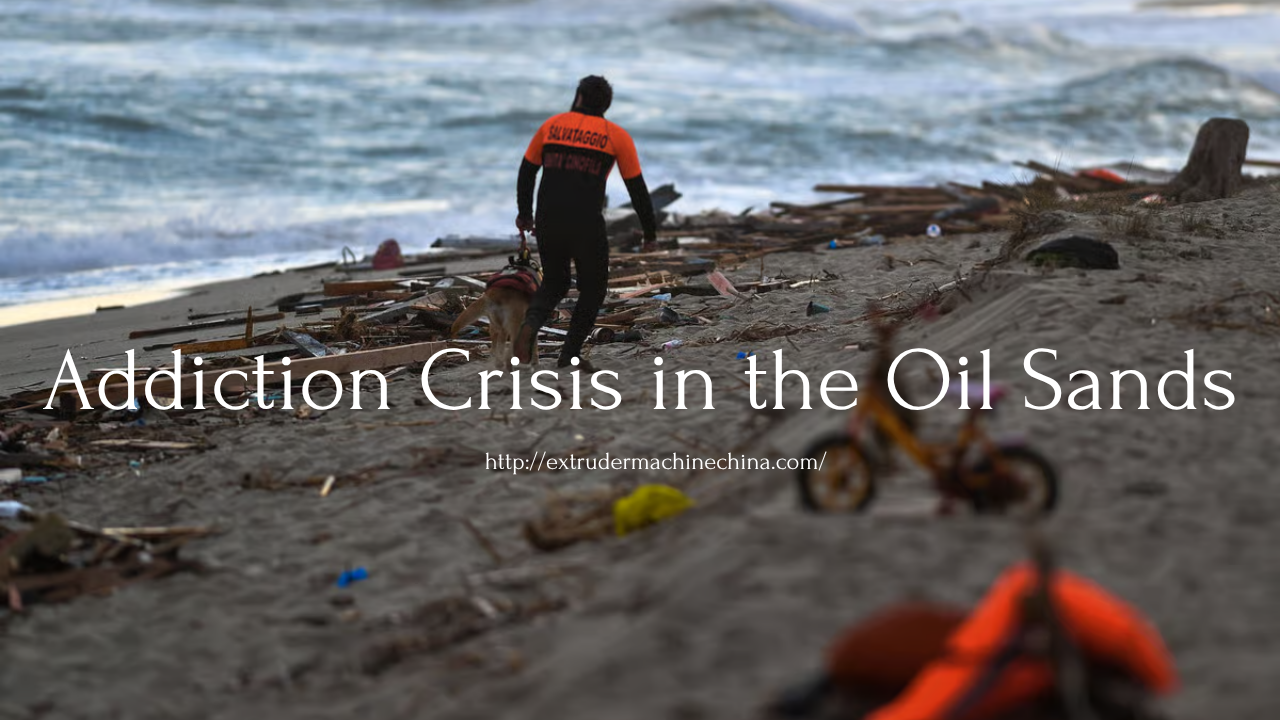
Breaking the Cycle: Solutions to the Addiction Crisis in the Oil Sands

The addiction crisis in Canada’s oil sands industry has grown into a pressing concern, impacting not only workers but also their families and communities. Long hours, physical strain, mental stress, and the isolating nature of remote work camps have all contributed to a surge in substance use disorders among oil sands laborers. To create lasting change, a proactive, compassionate, and collaborative approach is necessary to break the cycle of addiction.

Understanding the Root Causes

Before effective solutions can be implemented, it’s essential to understand the factors that drive addiction in the oil sands. Workers often face intense physical demands, chronic pain, long stints away from home, and a culture that stigmatizes mental health struggles. These conditions create fertile ground for drug and alcohol use, which can initially seem like the only available coping mechanisms.

The most common substances used are opioids for pain relief, stimulants to maintain alertness during long shifts, and alcohol to ease stress and loneliness. Left unchecked, these coping strategies often lead to addiction, endangering not only the worker’s health but also workplace safety and overall industry productivity.

Employer-Led Solutions

Companies operating in the oil sands must take a leadership role in addressing this crisis. Implementing comprehensive employee wellness programs is a crucial step forward. These programs should include:

  • Mental Health Services: On-site or virtual access to counselors and psychologists who specialize in occupational stress and addiction.
  • Substance Abuse Education: Regular workshops and training to help workers recognize early signs of addiction and understand their options for help.
  • Anonymous Helplines and Peer Support: Confidential resources that workers can access without fear of judgment or job loss.

Additionally, employers can reevaluate work schedules and camp environments. Rotational shifts that allow for more frequent home visits, and improvements in living conditions, recreational opportunities, and social engagement can reduce feelings of isolation.

Community and Healthcare Support

Local communities also play a vital role in recovery. Increasing access to addiction treatment centers, outpatient care, and harm reduction services—such as supervised consumption sites and needle exchange programs—can offer lifelines to those in crisis. Collaborations between oil companies, healthcare providers, and municipal governments can ensure these resources are adequately funded and tailored to the unique needs of oil sands workers.

Mobile addiction clinics and telehealth services can bridge the gap for remote workers, providing counseling, medication-assisted treatment, and follow-up care no matter where a worker is located.

Changing the Culture

Arguably the most important step in breaking the addiction cycle is changing the deeply ingrained culture of silence and toughness. Creating a work environment where mental health is openly discussed and help-seeking is encouraged can reduce stigma and make recovery more accessible.

Leadership should lead by example, speaking openly about these issues and championing initiatives that prioritize mental well-being.

Conclusion

Breaking the addiction cycle in the oil sands is possible—but it requires a collective commitment to supporting workers as whole people, not just as laborers. With compassionate leadership, strong community ties, and systemic change, the industry can shift from a place of peril to a model for how to address addiction with empathy and effectiveness.


Hard Hats and Hard Drugs: The Rise of Addiction in the Oil Industry

The oil industry has long been a pillar of economic strength in regions like Alberta, Canada, and various parts of the United States. It offers well-paying jobs and steady employment to thousands of workers. However, behind the image of rugged laborers and industrial might lies a growing crisis—addiction. As the physical and mental demands of oil work increase, so too does the prevalence of substance abuse among its labor force.

The Physically Demanding Nature of Oil Work

Jobs in the oil industry are among the most grueling in the labor market. Workers endure extreme weather conditions, long shifts that often stretch beyond 12 hours, and tasks that place continuous strain on the body. It is common for workers to suffer from chronic pain due to the repetitive and labor-intensive nature of their roles.

To cope, many turn to prescription opioids such as oxycodone, morphine, or fentanyl. What begins as a legitimate treatment for pain can quickly spiral into dependency. The isolating conditions of remote work camps and the stigma around discussing mental health or injury contribute to this pattern, leaving many workers silently battling addiction.

A Culture of Toughness and Suppression

In the oil fields, a culture of toughness pervades. Workers are often expected to “push through” pain and fatigue, valuing resilience above all else. Admitting to mental health struggles or addiction is frequently seen as a weakness, leading many to suppress their symptoms and avoid seeking help.

This cultural barrier to support has allowed addiction to thrive unnoticed in many cases. Some workers resort to stimulants like cocaine and methamphetamines to stay awake and alert during demanding shifts. Others use alcohol or marijuana during off-hours to relax, which can lead to patterns of abuse over time.

Addiction’s Broad Impact

The rise in addiction within the oil industry has significant consequences—not just for the individual, but also for the workplace and the surrounding community. Substance abuse increases the risk of workplace accidents, especially in environments where safety is critical. Impaired workers can endanger themselves and their colleagues, leading to injuries or fatalities.

Families are also impacted, with addiction straining relationships and contributing to emotional and financial stress. Communities near oil fields often see a spike in drug-related crimes, overdoses, and a growing demand for mental health and addiction services.

What Can Be Done?

Addressing addiction in the oil industry requires a cultural and institutional shift. Employers must prioritize worker health by offering confidential addiction treatment services, regular mental health screenings, and access to physical therapy for injury management. Training supervisors to recognize the signs of substance abuse and creating a workplace environment that encourages openness can also make a significant difference.

Government agencies should work alongside industry leaders to develop policies that support worker well-being and fund accessible treatment programs in oil-producing regions.

Conclusion

The rise of addiction in the oil industry is a complex issue rooted in physical pain, emotional strain, and cultural stigma. By shedding light on the challenges workers face and providing the resources they need, the industry can begin to shift from being a hidden contributor to addiction to becoming a proactive force for recovery and support.

From Prosperity to Peril: How Oil Sands Wealth Fuels Substance Use Disorders

The oil sands of Alberta have long been synonymous with prosperity. Offering some of the highest wages in Canada for blue-collar workers, the industry has attracted tens of thousands of people seeking financial stability and the promise of a better future. However, the wealth generated by the oil sands has also contributed to a lesser-known but devastating consequence: the rise in substance use disorders among workers. The financial gains, while significant, often mask the emotional, psychological, and social toll endured by those laboring in this demanding environment.

The Double-Edged Sword of High Wages

At first glance, the high pay in oil sands jobs appears to be an unequivocal benefit. Workers can earn six-figure salaries, enabling them to provide for their families, pay off debt, and invest in their futures. Yet, this sudden influx of disposable income can sometimes lead to poor financial choices and risky behaviors, including drug and alcohol use.

Substance use often begins recreationally, fueled by a sense of entitlement or as a means to escape the grueling reality of the job. The cyclical nature of work—long hours followed by stretches of downtime—creates a pattern where some workers turn to substances during their off-time, only to return to work trapped in a cycle of dependence. In some cases, individuals who have never previously struggled with addiction find themselves developing harmful habits under the pressure of high-stress environments and newfound wealth.

A Culture That Encourages Excess

The culture surrounding oil sands work can also foster substance abuse. Long periods away from home and the physical toll of labor-intensive jobs contribute to stress, loneliness, and emotional fatigue. Camp life, often marked by isolation and limited recreational outlets, can create an environment where substance use becomes a common method of coping.

Moreover, the stigma associated with seeking mental health support remains strong in these hyper-masculine settings. Workers may be reluctant to admit they are struggling emotionally or psychologically, fearing it could be seen as a weakness. As a result, many choose to self-medicate with alcohol, opioids, or stimulants, which are sometimes easy to access despite regulations.

The Ripple Effect of Addiction

The effects of substance use disorders extend far beyond the individual. Families are often left to deal with the emotional and financial fallout, especially when addiction leads to job loss or legal troubles. Communities near oil sands operations, such as Fort McMurray, have reported increases in crime, hospital admissions for overdoses, and demand for addiction treatment services.

Furthermore, substance abuse in the workplace can lead to accidents, lost productivity, and increased healthcare costs, making it a pressing issue not only for individuals but also for employers and policymakers.

Turning Wealth Into Wellness

Addressing the rise of substance use disorders among oil sands workers requires a proactive and compassionate approach. Employers must implement comprehensive wellness programs that include mental health services, addiction support, and financial literacy training to help workers manage the challenges that come with high wages and demanding jobs.

Governments can support these efforts by funding community health services, improving access to rehabilitation programs, and creating policies that prioritize worker well-being over profit margins.

Conclusion

The wealth generated by Alberta’s oil sands has the potential to uplift lives—but only if paired with systems that support mental health and prevent substance abuse. By acknowledging the darker side of prosperity, stakeholders can take meaningful steps to ensure that the pursuit of wealth doesn’t lead workers from prosperity to peril.

Beyond the Boom: Addressing the Addiction Epidemic in Alberta’s Oil Sands

Alberta’s oil sands have long symbolized economic prosperity, offering lucrative employment opportunities that attract workers from across Canada. However, beneath the surface of this boom lies a growing crisis: an addiction epidemic fueled by isolation, mental health struggles, and a pervasive culture of silence.


Isolation and Mental Health Challenges

The demanding nature of oil sands work often requires employees to endure long shifts, typically 10 to 12 hours, over rotations that can last from six to 21 days. These “fly-in, fly-out” (FIFO) arrangements mean workers spend extended periods away from their families and support networks, leading to feelings of loneliness and emotional strain. A study conducted by the University of Alberta found that 87% of FIFO workers reported significant stress due to being away from loved ones, with many citing difficulties in maintaining relationships and missing important life events .University of Alberta+3Safety Magazine+3Safety + Health Magazine+3Global News

Living conditions in remote work camps further exacerbate these issues. Many workers describe camp life as monotonous and isolating, with limited recreational activities and subpar living accommodations. Such environments contribute to poor morale and make it challenging for workers to engage in healthy coping mechanisms.Global News


Substance Abuse: A Coping Mechanism

In the face of these challenges, some workers turn to substances as a means of coping. The use of alcohol and drugs, including opioids and stimulants, has become a concerning trend within the oil sands workforce. These substances are often used to manage physical pain from labor-intensive tasks or to alleviate the psychological stress associated with isolation and demanding work schedules.

The stigma surrounding mental health in the industry often prevents workers from seeking help. A culture that values toughness and self-reliance discourages open discussions about emotional well-being. As a result, many individuals suffer in silence, allowing substance abuse issues to escalate unchecked.


Barriers to Seeking Help

Even when support services are available, workers frequently hesitate to utilize them. Concerns about confidentiality, potential job repercussions, and being perceived as weak deter many from accessing mental health resources. The University of Alberta study highlighted that over half of the workers with access to on-site health care were unlikely to use these services due to fears of negative consequences, such as layoffs or loss of reputation .Safety Magazine+1Safety + Health Magazine+1Global News+2University of Alberta+2Safety + Health Magazine+2

This reluctance is compounded by a lack of trust in employers’ commitment to employee well-being. Many workers feel that productivity is prioritized over mental health, leading to a pervasive sense of neglect and undervaluation.University of Alberta


Pathways to Recovery

Addressing the addiction epidemic in Alberta’s oil sands requires a multifaceted approach:

  • Enhancing Mental Health Support: Employers should implement comprehensive mental health programs, including confidential counseling services and peer support groups, to provide accessible assistance to workers in need.
  • Fostering a Supportive Culture: Shifting the workplace culture to one that encourages open discussions about mental health can reduce stigma and promote early intervention.
  • Improving Living Conditions: Upgrading work camp facilities to include recreational activities and comfortable living spaces can alleviate feelings of isolation and improve overall morale.
  • Flexible Scheduling: Offering more accommodating rotation schedules can help workers maintain stronger connections with their families and reduce the emotional toll of prolonged absences.

Conclusion

The prosperity brought by Alberta’s oil sands should not come at the expense of workers’ mental health and well-being. By acknowledging the underlying issues contributing to the addiction epidemic and implementing targeted interventions, stakeholders can create a more sustainable and humane working environment. Prioritizing the health of the workforce is not only a moral imperative but also essential for the long-term success of the industry.

Chemical Dependency: Exploring the Correlation Between Oil Sands Work and Substance Abuse

The oil sands industry has long been a pillar of Canada’s economy, driving economic growth and providing employment opportunities for thousands of workers. However, the boom-and-bust cycles that characterize this sector have left a profound and often overlooked impact on the local communities surrounding oil sands operations. One of the most significant consequences has been the alarming rise in addiction rates, a crisis fueled by the economic volatility, social disruption, and challenging work environment associated with the industry.

The Boom: Economic Prosperity and Challenges

During the boom phases, oil sands towns such as Fort McMurray in Alberta experience rapid economic growth. Job opportunities attract workers from across Canada and beyond, boosting local economies and creating a sense of prosperity. However, this influx of workers, often living in isolated camps or temporary housing, places immense strain on social and community infrastructure.

The transient nature of the workforce often leads to a lack of deep community ties and social support networks. Workers face long hours, high stress, and physical demands, which can exacerbate feelings of isolation and loneliness. As a result, many turn to alcohol or drugs as a way to cope with the pressures of the job and the disconnection from family and friends.

The Bust: Economic Downturn and its Fallout

When oil prices plummet and the industry enters a downturn, the repercussions are devastating for local communities. Layoffs, reduced wages, and economic instability can leave workers and their families struggling to make ends meet. For many, this stress leads to increased substance use as a coping mechanism. The lack of stable employment and the stigma surrounding addiction further exacerbate the problem, pushing individuals deeper into dependency.

Local communities also face significant challenges during these downturns. Small businesses that once thrived during the boom periods often close their doors, leaving residents with fewer economic opportunities. Municipal services, including healthcare and addiction treatment facilities, become overwhelmed as they struggle to meet the growing demand with limited resources.

Addiction’s Toll on Communities

The rise in addiction rates in oil sands communities affects every aspect of local life. Families are torn apart as loved ones battle substance dependency, and community cohesion is eroded by the stigma surrounding addiction. Public health systems are overburdened by addiction-related issues, including overdoses and chronic health conditions. Law enforcement and emergency services also face increased pressure as substance use contributes to higher crime rates and more frequent incidents requiring intervention.

Addressing the Crisis

Tackling addiction in oil sands communities requires a multifaceted approach. Governments, industry leaders, and local organizations must work together to address the root causes of addiction and provide effective support for those affected. This includes investing in mental health services, creating accessible addiction treatment programs, and implementing education campaigns to reduce stigma and promote prevention.

Employers in the oil sands industry also have a role to play. By fostering a culture of mental health awareness, offering support programs for workers, and creating opportunities for community engagement, they can help reduce the social isolation that contributes to substance abuse.

A Path Forward

While the oil sands industry remains an economic powerhouse, the social and health consequences of its boom-and-bust cycles cannot be ignored. By prioritizing the well-being of workers and the surrounding communities, stakeholders can mitigate the impact of addiction and build a more resilient foundation for the future. Only by addressing these challenges head-on can we ensure that the benefits of the oil sands industry are shared equitably, without leaving behind those most vulnerable to its costs.

From Boom to Bust: The Impact of the Oil Sands Industry on Addiction Rates in Local Communities

The oil sands industry has long been a pillar of Canada’s economy, driving economic growth and providing employment opportunities for thousands of workers. However, the boom-and-bust cycles that characterize this sector have left a profound and often overlooked impact on the local communities surrounding oil sands operations. One of the most significant consequences has been the alarming rise in addiction rates, a crisis fueled by the economic volatility, social disruption, and challenging work environment associated with the industry.

The Boom: Economic Prosperity and Challenges

During the boom phases, oil sands towns such as Fort McMurray in Alberta experience rapid economic growth. Job opportunities attract workers from across Canada and beyond, boosting local economies and creating a sense of prosperity. However, this influx of workers, often living in isolated camps or temporary housing, places immense strain on social and community infrastructure.

The transient nature of the workforce often leads to a lack of deep community ties and social support networks. Workers face long hours, high stress, and physical demands, which can exacerbate feelings of isolation and loneliness. As a result, many turn to alcohol or drugs as a way to cope with the pressures of the job and the disconnection from family and friends.

The Bust: Economic Downturn and its Fallout

When oil prices plummet and the industry enters a downturn, the repercussions are devastating for local communities. Layoffs, reduced wages, and economic instability can leave workers and their families struggling to make ends meet. For many, this stress leads to increased substance use as a coping mechanism. The lack of stable employment and the stigma surrounding addiction further exacerbate the problem, pushing individuals deeper into dependency.

Local communities also face significant challenges during these downturns. Small businesses that once thrived during the boom periods often close their doors, leaving residents with fewer economic opportunities. Municipal services, including healthcare and addiction treatment facilities, become overwhelmed as they struggle to meet the growing demand with limited resources.

Addiction’s Toll on Communities

The rise in addiction rates in oil sands communities affects every aspect of local life. Families are torn apart as loved ones battle substance dependency, and community cohesion is eroded by the stigma surrounding addiction. Public health systems are overburdened by addiction-related issues, including overdoses and chronic health conditions. Law enforcement and emergency services also face increased pressure as substance use contributes to higher crime rates and more frequent incidents requiring intervention.

Addressing the Crisis

Tackling addiction in oil sands communities requires a multifaceted approach. Governments, industry leaders, and local organizations must work together to address the root causes of addiction and provide effective support for those affected. This includes investing in mental health services, creating accessible addiction treatment programs, and implementing education campaigns to reduce stigma and promote prevention.

Employers in the oil sands industry also have a role to play. By fostering a culture of mental health awareness, offering support programs for workers, and creating opportunities for community engagement, they can help reduce the social isolation that contributes to substance abuse.

A Path Forward

While the oil sands industry remains an economic powerhouse, the social and health consequences of its boom-and-bust cycles cannot be ignored. By prioritizing the well-being of workers and the surrounding communities, stakeholders can mitigate the impact of addiction and build a more resilient foundation for the future. Only by addressing these challenges head-on can we ensure that the benefits of the oil sands industry are shared equitably, without leaving behind those most vulnerable to its costs.

Black Gold and Broken Lives: Understanding the Addiction Crisis in Canada’s Oil Sands

The oil sands of Canada, often referred to as “black gold,” represent a lucrative resource for the nation’s economy, providing jobs and energy security. However, beneath the surface of this economic boon lies a stark reality: a growing addiction crisis that is devastating communities and impacting the lives of workers in the region. Understanding the relationship between the oil sands industry and addiction is crucial to addressing this multifaceted problem.

The oil sands, primarily located in Alberta, have attracted thousands of workers seeking high-paying jobs in a challenging environment. The demand for labor in this sector has led to a transient workforce that often works long, grueling hours under intense pressure. This work culture, coupled with the isolation of remote camps and communities, creates a perfect storm for substance abuse. Many workers turn to alcohol and drugs as a means of coping with the physical demands of their jobs, the stress of long hours, and the mental toll of being away from family and friends.

Statistics indicate a troubling rise in addiction rates among workers in the oil sands. Reports from local health authorities suggest that substance use disorders are significantly higher in these communities compared to the national average. Opioids, alcohol, and methamphetamine are among the most commonly abused substances. The normalization of substance use as a coping mechanism in this industry only exacerbates the crisis, leading to a cycle of addiction that is difficult to break.

The consequences of this addiction epidemic are dire. Families are torn apart, as loved ones struggle with dependency and the associated stigma. Workplace safety is compromised; impaired workers pose risks not only to themselves but also to their colleagues and the environment. Moreover, the healthcare systems in these regions are often overwhelmed, lacking the resources and facilities necessary to address the rising tide of addiction-related health issues.

Efforts to combat the addiction crisis in the oil sands are underway, but challenges remain. Community leaders, health professionals, and the oil industry must collaborate to develop comprehensive strategies that prioritize prevention and treatment. Educational programs aimed at raising awareness about the dangers of substance abuse can help shift cultural attitudes within the workforce. Additionally, increasing access to mental health services and addiction treatment facilities is essential for providing support to those in need.

Employers in the oil sands must also play a critical role in addressing this issue. Implementing programs that promote mental well-being, stress management, and healthy lifestyle choices can create a more supportive work environment. Furthermore, employers should prioritize the mental health of their workers by integrating wellness initiatives into their corporate culture.

While the economic benefits of the oil sands are undeniable, it is imperative that we acknowledge and address the human cost associated with this industry. The addiction crisis in Canada’s oil sands is a complex issue that requires a multifaceted approach, involving not just treatment and recovery, but also prevention and community support. By fostering a culture of awareness and providing resources for those affected, we can begin to heal the wounds inflicted by addiction and build a healthier future for all involved.

In conclusion, the juxtaposition of black gold and broken lives serves as a stark reminder of the dual nature of the oil sands industry. As communities grapple with the addiction epidemic, it is crucial for all stakeholders to engage in a collective effort to create sustainable solutions. Only then can we hope to transform the narrative surrounding Canada’s oil sands from one of despair to one of recovery and resilience.

Unveiling the Addiction Epidemic in the Oil Sands Industry

The oil sands industry in Canada has long been a cornerstone of the nation’s economy, providing jobs and driving growth in regions like Alberta. However, beneath the surface of this economic engine lies a growing and largely overlooked crisis: the addiction epidemic affecting workers in the oil sands. This issue, driven by a combination of isolation, high-pressure work environments, and the ready availability of substances, has severe implications for the health and well-being of workers, their families, and the broader community.

The Roots of the Crisis

The oil sands industry is known for its demanding work conditions. Employees often work long shifts, sometimes up to 12 hours a day, in remote locations far from their homes and families. The work is physically and mentally exhausting, with little opportunity for social interaction outside of the job. This isolation, coupled with the stress of high-stakes projects and the cyclical nature of the industry, creates an environment ripe for substance abuse.

Many workers turn to drugs and alcohol as a way to cope with the loneliness and pressure they experience on the job. Stimulants like cocaine and methamphetamines are often used to stay alert during long shifts, while alcohol and opioids may be used to unwind after a grueling day. Unfortunately, what starts as a temporary escape can quickly spiral into addiction, with devastating consequences.

The Scope of the Problem

The addiction epidemic in the oil sands is not a new phenomenon, but it has escalated in recent years. According to a report by the Canadian Centre on Substance Use and Addiction, substance abuse among oil sands workers is significantly higher than in the general population. This is particularly true for opioid use, which has seen a sharp increase in recent years. The availability of drugs in remote work camps and the lack of access to mental health services exacerbate the problem, making it difficult for workers to seek help before their addiction becomes unmanageable.

The impact of this epidemic extends beyond the individual workers. Families are often the first to feel the effects, as addiction strains relationships and leads to financial difficulties. In communities near the oil sands, the influx of workers with substance abuse issues has led to increased rates of crime, homelessness, and overdose deaths. The healthcare system is also burdened by the need to provide treatment for addiction-related issues, further stretching already limited resources.

Addressing the Crisis

Addressing the addiction epidemic in the oil sands industry requires a multifaceted approach. Companies must take a proactive role in supporting the mental health and well-being of their employees. This includes providing access to counseling and addiction services, implementing policies that reduce the stigma associated with seeking help, and creating a work environment that promotes healthy coping mechanisms.

Additionally, there is a need for greater collaboration between industry, government, and healthcare providers to develop targeted interventions for workers at risk of substance abuse. This could include on-site treatment programs, peer support networks, and increased access to mental health services in remote areas. By addressing the root causes of addiction and providing comprehensive support, it is possible to mitigate the impact of this crisis and improve the quality of life for workers in the oil sands.

Conclusion

The addiction epidemic in the oil sands industry is a hidden crisis with far-reaching consequences. It affects not only the workers but also their families, communities, and the broader society. To combat this issue, a collective effort is needed to provide support and resources to those struggling with addiction. Only by acknowledging and addressing this problem can the industry ensure the long-term health and well-being of its workforce.

Signs of addiction among oil workers

Anyone who decides to work in the oil industry needs to realize that their life will become different from the average professional. The oil industry operates non-stop, and this is thanks to the oil workers who spend several hours on end trying to work round the clock.

Most times, they have a long hour shift, where they only take breaks for food and rest. On some occasions, they are compensated with a short holiday, and they are mostly well-paid because the oil industry is highly profitable, especially for countries that have oil in abundance.

Free Offshore Drilling Rig on Body of Water Stock Photo

Due to the tight schedule that oil workers have, they barely have time for rest and self-care. This is one of the reasons why some of them engage in unhealthy habits that can make them addicted.  

Below are some of the signs that an oil worker is struggling with addiction

Isolation and secrecy

One of the ways to know that oil worker is addicted is when they prefer to stay on their own instead of being around people, especially their colleagues.

It is important to note that addiction thrives in secrecy, this is why addicted oil workers would prefer to keep anyone from knowing about their addiction problem.

Physical signs

You can also tell that an oil worker is addicted from the physical signs. Some of these signs include body and mouth odor, lack of personal grooming, weight loss or weight gain, scratches on skin and itching, etc.

Problems in relationships

Generally, addicts tend to have fallouts with people in their lives because of their addiction problem, and oil workers struggling with addiction are not left out. They might have issues with their colleagues, spouses, supervisors, etc.

Mental health signs

Sometimes, the addiction problem comes with some mental health symptoms which can be overwhelming for the oil worker, owing to the nature of their work.

Some of these mental health signs are hallucinations, lack of coordination, paranoia, anxiety, depression, mood swings, lack of good judgment, etc.

Mental health counseling for oil workers

 Mental health can be defined in simple terms as one’s social, psychological, and emotional well-being. Stress is something more than just mood. It can affect our perceptions of the world around us, how we deal with stressful situations, and more.

People with mental health conditions typically suffer from sleep problems, decreased productivity, and feelings of loneliness without support. Despite best efforts, people may end up self-harming and committing suicide.

A person’s mental health can be affected in many ways, from mild anxiety, depression, or a mix of the two, to severe phobias, addictions, and mental disorders. It always impacts hard, no matter which way it hits.

It doesn’t matter whether the cause of poor mental health is biological or experiential – it can make everyday tasks impossible and seriously hamper day-to-day life.

Despite the high safety standards in the oil and gas sector, these are generally focused on physical health and ignore mental health. However, some companies have begun to shift their focus.

Oil and gas companies have historically failed to address mental health issues among their employees due to the male-dominated industry, and men found it more difficult to share their feelings, says Eugene Farrell, Mental Health Lead at AXA.

This must change if employers want to support the best-qualified candidates and remain competitive today. In the past, the sector compensated for shortfalls with money, but for the younger generation, this may no longer suffice.” Farrell warns.

Researchers have found that workers in the oil and gas industry experience more anxiety and depression than other populations.

There is particular pressure on workers in this sector to avoid mistakes since mistakes can result in losing lives and environmental destruction. Moreover, offshore workers often spend long periods away from their families and friends, leading to isolation, loneliness, and frustration.

Several oil and gas firms are taking action. For example, video counseling is now available for offshore employees. Employees have responded well to the tool.

In addition, some companies recognize the value of employee assistance plans (EAPs) and actively refer staff to them. Employees who subscribe to the plan can receive confidential assessments, referrals, and short-term counseling.