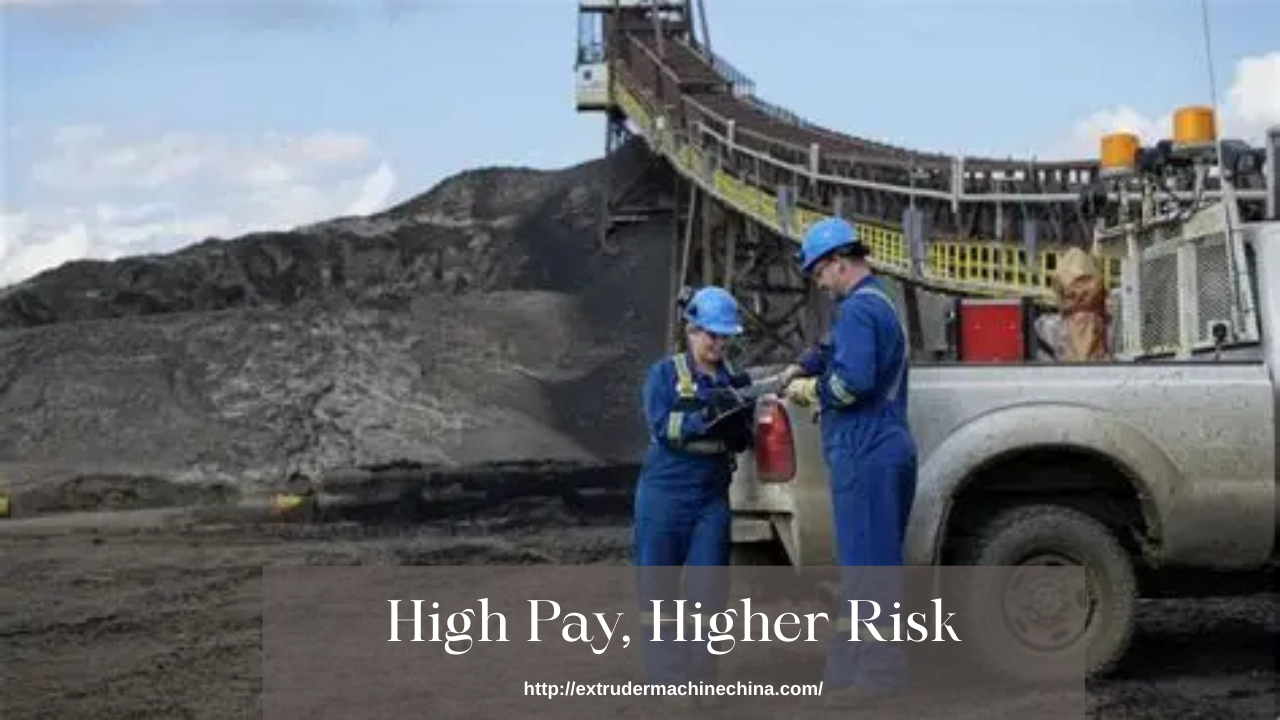
The Cost of Prosperity in the Oil Sands
The oil sands industry in Canada offers some of the highest wages in the labor market. Workers are drawn to remote sites with the promise of financial stability and economic opportunity. Yet behind the high paychecks lies a growing problem that money cannot solve. Addiction and mental health struggles are rising among oil sands workers, threatening not only their personal well-being but also the stability of their families and communities. Recognizing this crisis is the first step toward real solutions.
Why Oil Sands Workers Are Vulnerable
Isolation and Disconnection
Oil sands operations are located in remote regions, where workers often spend weeks away from home in isolated camps. This separation from loved ones creates loneliness and disconnection, conditions that can make substance use an appealing escape. Without consistent social support, many individuals turn to alcohol or drugs to fill the emotional void.
Stressful and Demanding Work Conditions
The oil sands environment is physically intense and mentally draining. Long hours, high-pressure tasks, and safety risks contribute to chronic stress and fatigue. Workers coping with pain or exhaustion may rely on prescription medications, which can escalate into dependency if not carefully managed.
A Culture of Silence
In many resource-based industries, conversations about mental health are rare. Fear of stigma, judgment, or losing employment prevents many from seeking help. This culture of silence enables addiction to develop unnoticed, often until the situation has become critical.
The Ripple Effect on Families and Communities
Addiction does not stop at the individual level. Families at home often carry the emotional weight of watching a loved one struggle, along with the financial instability that can follow. Communities near oil sands projects experience higher demands on healthcare, more addiction-related challenges, and strain on public services. The cycle of addiction reaches far beyond the camps, affecting countless lives.
Pathways to Recovery
Inpatient and Outpatient Treatment
Recovery begins with accessible, professional care. Inpatient programs offer structured treatment in a supportive environment, ideal for those who need to step away from the pressures of work. Outpatient programs allow individuals to remain employed while receiving counseling, therapy, and ongoing support. Both options provide pathways to sustainable healing.
Holistic and Faith-Based Healing
Addiction recovery is not just about stopping substance use. True healing involves addressing the whole person. Holistic approaches incorporate physical health, nutrition, mindfulness, and emotional well-being. Faith-based recovery adds a spiritual dimension for those seeking strength and meaning through their beliefs. These comprehensive methods help build long-term resilience.
Personalized Care for Lasting Change
Every person’s journey through addiction is different. Individualized treatment plans tailored to each person’s history, challenges, and goals are critical for success. Personalized care ensures that treatment is not just effective but also sustainable in the long run.
Moving Forward With Hope
The oil sands economy may offer high pay, but workers often face risks that money alone cannot fix. Addiction and mental health struggles are complex, but they are not insurmountable. With compassionate, professional, and holistic care, workers and their families can find healing and hope.
If you or someone you love is facing addiction, the most important step is reaching out for help. Support is available through inpatient and outpatient programs, holistic healing, and faith-based care. Taking that first step can turn struggle into strength and create a foundation for a healthier, more fulfilling future.
