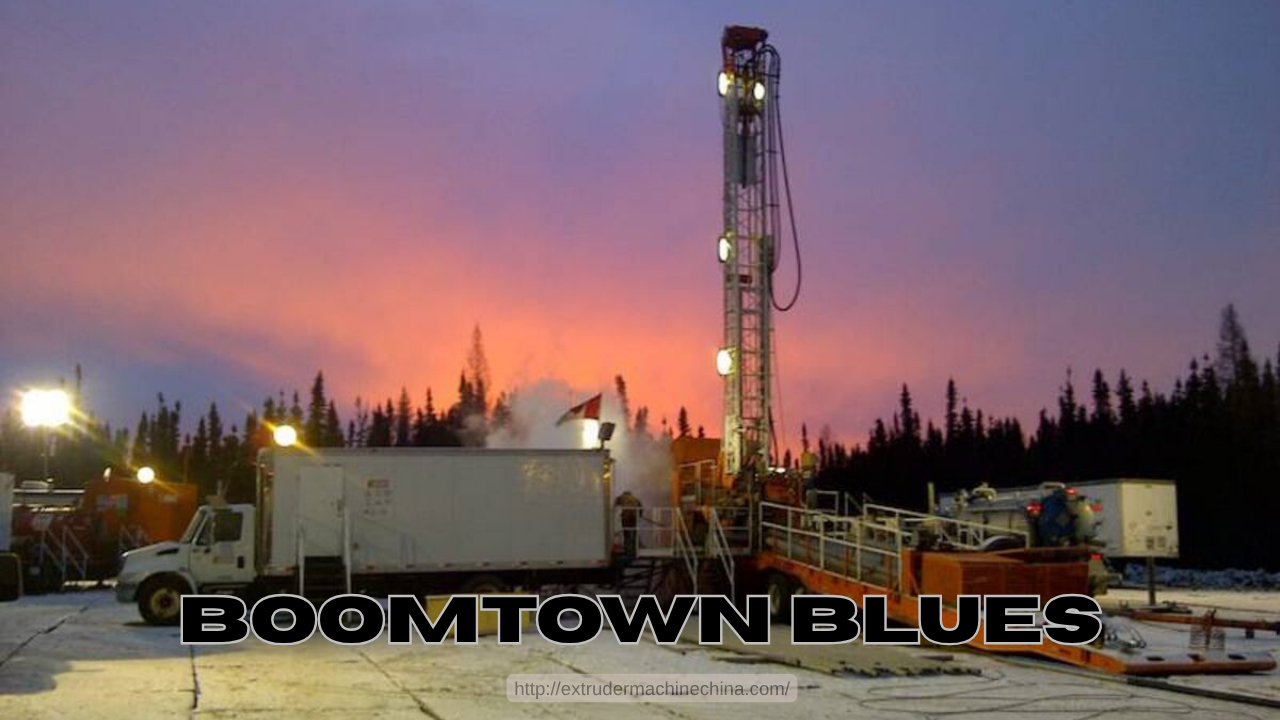
Boomtown Blues: How Canada’s Oil Sands Are Breeding an Addiction Epidemic

The Hidden Cost of Prosperity

Canada’s oil sands have long been a symbol of economic opportunity. High-paying jobs and the promise of financial security attract thousands of workers from across the country. Yet behind this image of success lies a growing crisis. Addiction and mental health struggles are taking root in oil sands communities, quietly affecting workers and their families. The long hours, isolation, and intense pressure of life in the oil sands have created conditions where substance abuse can flourish.

Understanding the Roots of Addiction in the Oil Sands

Long Hours and High Stress

Work in the oil sands is demanding, both physically and emotionally. Laborers face long shifts, extreme temperatures, and dangerous conditions. The pressure to maintain productivity can lead to chronic fatigue and stress. To cope, some turn to alcohol, opioids, or stimulants for relief. What may start as an occasional escape can quickly evolve into dependency.

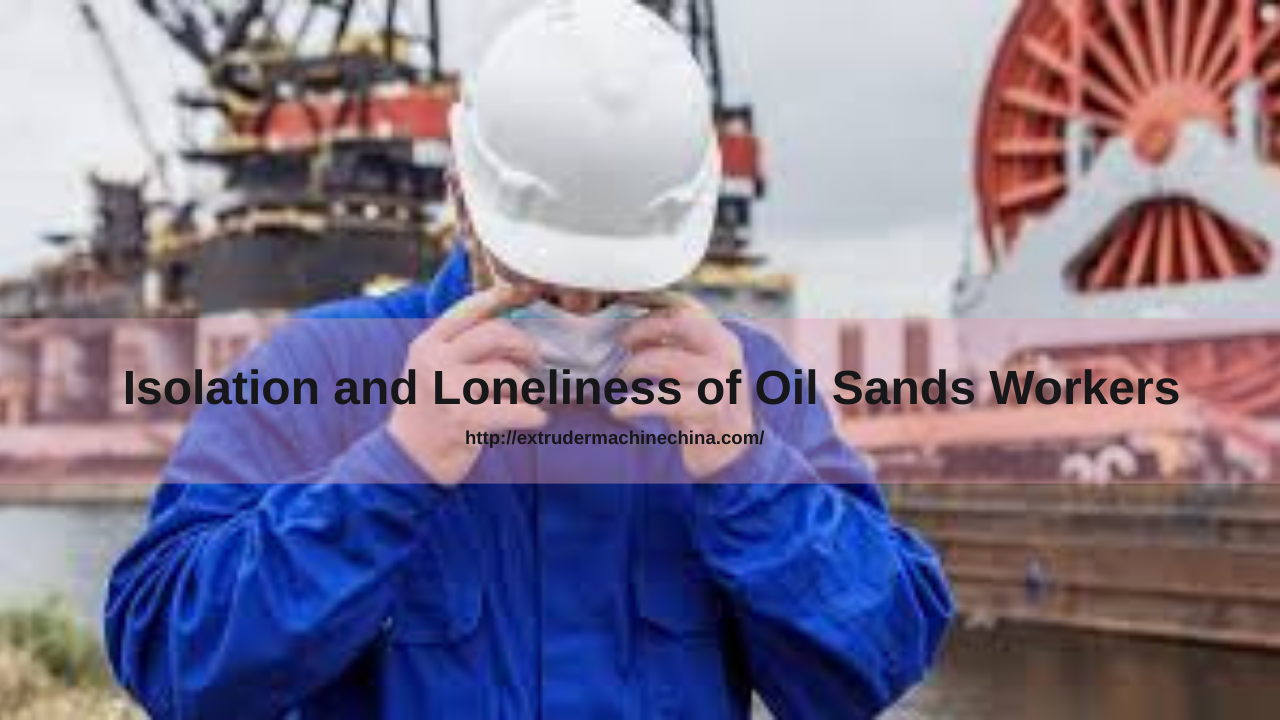
Isolation and Loneliness

The oil sands are often located in remote regions, far from major cities and communities. Workers live in temporary camps, separated from family and friends for weeks at a time. The lack of connection and social support contributes to feelings of loneliness and depression. Many use substances to fill the emotional void or to cope with being away from home.

A Culture of Silence

In many oil sands workplaces, talking about mental health or addiction is still taboo. Workers fear judgment, job loss, or being seen as weak if they speak up. This silence allows addiction to worsen over time. Without early intervention or access to mental health resources, individuals often suffer alone until their situation becomes critical.

The Ripple Effects on Families and Communities

Addiction in the oil sands industry extends far beyond the camps. Families back home struggle with emotional distress, financial uncertainty, and fractured relationships. Communities near oil sands operations face rising rates of substance abuse and related social challenges. This growing epidemic highlights the urgent need for awareness, prevention, and professional care.

Pathways Toward Recovery

Inpatient and Outpatient Treatment Options

Professional addiction treatment provides a structured path toward recovery. Inpatient programs allow individuals to step away from high-stress environments and focus on healing in a safe, supportive space. Outpatient programs offer flexibility, helping workers receive therapy and counseling while continuing their professional or family responsibilities.

Holistic and Faith-Based Care

Addiction recovery requires more than detoxification. It involves treating the whole person—mind, body, and spirit. Holistic care integrates physical wellness, nutrition, mindfulness, and emotional healing to promote balance and resilience. Faith-based approaches can add another layer of strength, providing spiritual grounding and a renewed sense of purpose.

Individualized Healing Plans

Every journey through addiction is unique. Personalized treatment plans consider each person’s background, triggers, and recovery goals. By addressing the root causes of addiction rather than just the symptoms, individualized care empowers lasting transformation.

Building Hope and Healing

The addiction epidemic in Canada’s oil sands is a reminder that prosperity without well-being can come at a steep cost. Recovery begins with understanding and compassion. By creating supportive environments that prioritize mental health and providing access to holistic, faith-based, and personalized care, individuals can find a way out of addiction and back to balance.

If you or someone you love is struggling with addiction, now is the time to reach out for help. Compassionate treatment options are available to guide you toward healing and lasting recovery. Taking the first step today can lead to a healthier tomorrow.

Isolation, Pressure, and Pills: Addiction’s Grip on Oil Sands Communities

A Crisis Beneath the Surface

Canada’s oil sands industry has fueled prosperity for decades, offering high-paying jobs and economic stability to thousands of workers. Yet hidden behind the booming economy is a growing crisis. In the isolated camps of the oil sands, addiction is quietly taking root. Many workers face overwhelming pressure, long hours, and loneliness. These challenges, combined with easy access to alcohol and prescription medications, create the conditions for substance use disorders to thrive. Addressing this reality requires more than financial opportunity. It demands compassionate, comprehensive care.

The Conditions That Drive Addiction

Isolation and Loneliness

Oil sands camps are often located in remote regions, far from families and communities. Workers spend weeks away from loved ones, living in environments where emotional support is limited. The loneliness that results can lead individuals to seek temporary relief through substances, reinforcing a dangerous cycle.

Pressure and High Expectations

Jobs in the oil sands are demanding. Long shifts, hazardous conditions, and the expectation to perform at peak levels create relentless stress. Many workers turn to alcohol, stimulants, or prescription pills to cope with exhaustion or manage pain. What may begin as a way to “get through” the job can quickly develop into dependence.

The Role of Prescription Medications

Work in the oil sands often leads to physical strain and injury. Prescription opioids and other painkillers are common tools for relief, but misuse can escalate into full-blown addiction. With limited oversight in camp settings, the risks of misuse and dependency are magnified.

The Ripple Effect on Families and Communities

Addiction within oil sands communities does not remain confined to the camps. Families back home often carry the burden of emotional stress and financial strain. Communities near oil sands operations see higher rates of addiction-related issues, from healthcare pressures to social challenges. The problem spreads outward, highlighting the urgent need for systemic solutions.

Pathways Toward Healing

Inpatient and Outpatient Care

Professional treatment options give workers a path forward. Inpatient programs provide safe, structured environments for those in need of intensive care. Outpatient programs allow individuals to continue working while receiving counseling and therapy. Both options are essential for making recovery accessible.

Holistic and Faith-Based Recovery

Addiction is not only a physical struggle but also an emotional and spiritual one. Holistic treatment approaches focus on mind, body, and spirit, integrating nutrition, mindfulness, physical health, and emotional support. Faith-based recovery programs provide additional meaning and strength for those who draw comfort from spiritual guidance.

Individualized Support Plans

Every recovery journey is unique. Personalized treatment plans that consider each person’s background, triggers, and goals offer the best chance for lasting success. When care is tailored to the individual, it empowers long-term healing and resilience.

Breaking the Cycle

The oil sands industry may provide economic opportunity, but without addressing the hidden crisis of addiction, workers and their families continue to suffer. Recovery is possible, and it begins with acknowledging the problem and seeking support.

If you or someone you care about is struggling with addiction, now is the time to act. Inpatient and outpatient treatment, holistic care, and faith-based support are available to help individuals reclaim their health and future. Taking the first step toward recovery is the most powerful choice anyone can make.

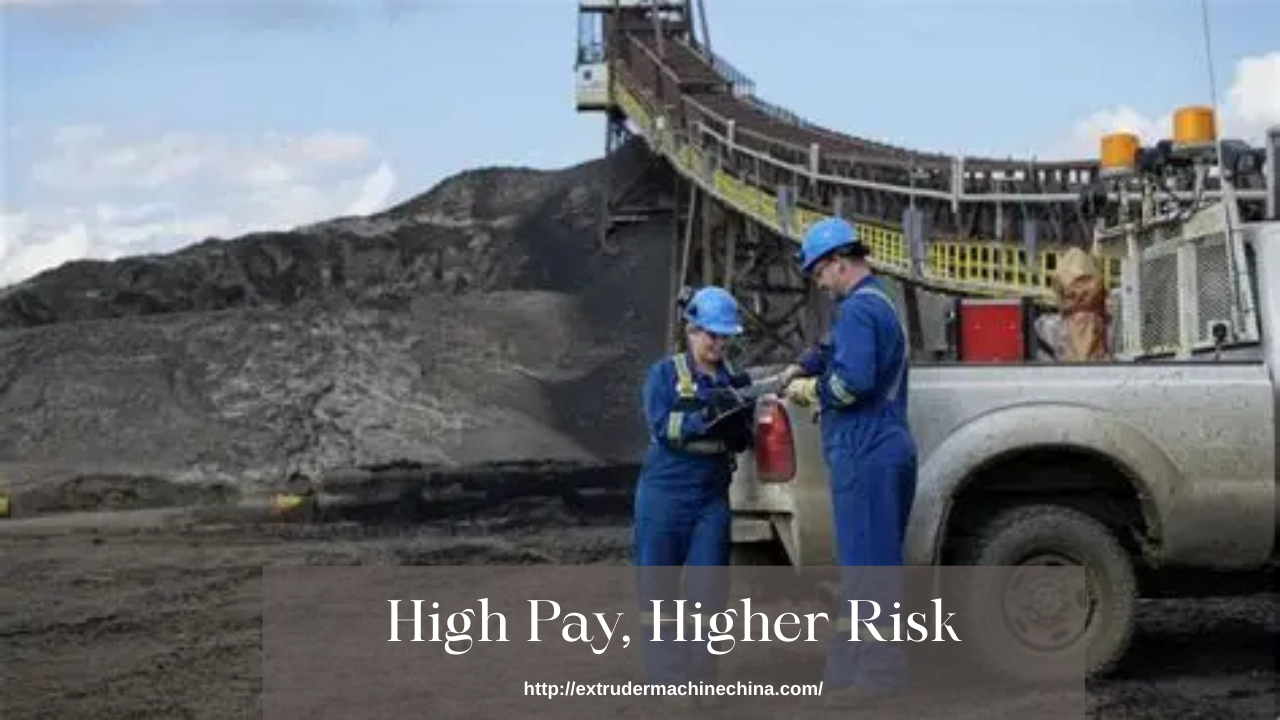
High Pay, Higher Risk: The Addiction Crisis Among Oil Sands Workers

The Cost of Prosperity in the Oil Sands

The oil sands industry in Canada offers some of the highest wages in the labor market. Workers are drawn to remote sites with the promise of financial stability and economic opportunity. Yet behind the high paychecks lies a growing problem that money cannot solve. Addiction and mental health struggles are rising among oil sands workers, threatening not only their personal well-being but also the stability of their families and communities. Recognizing this crisis is the first step toward real solutions.

Why Oil Sands Workers Are Vulnerable

Isolation and Disconnection

Oil sands operations are located in remote regions, where workers often spend weeks away from home in isolated camps. This separation from loved ones creates loneliness and disconnection, conditions that can make substance use an appealing escape. Without consistent social support, many individuals turn to alcohol or drugs to fill the emotional void.

Stressful and Demanding Work Conditions

The oil sands environment is physically intense and mentally draining. Long hours, high-pressure tasks, and safety risks contribute to chronic stress and fatigue. Workers coping with pain or exhaustion may rely on prescription medications, which can escalate into dependency if not carefully managed.

A Culture of Silence

In many resource-based industries, conversations about mental health are rare. Fear of stigma, judgment, or losing employment prevents many from seeking help. This culture of silence enables addiction to develop unnoticed, often until the situation has become critical.

The Ripple Effect on Families and Communities

Addiction does not stop at the individual level. Families at home often carry the emotional weight of watching a loved one struggle, along with the financial instability that can follow. Communities near oil sands projects experience higher demands on healthcare, more addiction-related challenges, and strain on public services. The cycle of addiction reaches far beyond the camps, affecting countless lives.

Pathways to Recovery

Inpatient and Outpatient Treatment

Recovery begins with accessible, professional care. Inpatient programs offer structured treatment in a supportive environment, ideal for those who need to step away from the pressures of work. Outpatient programs allow individuals to remain employed while receiving counseling, therapy, and ongoing support. Both options provide pathways to sustainable healing.

Holistic and Faith-Based Healing

Addiction recovery is not just about stopping substance use. True healing involves addressing the whole person. Holistic approaches incorporate physical health, nutrition, mindfulness, and emotional well-being. Faith-based recovery adds a spiritual dimension for those seeking strength and meaning through their beliefs. These comprehensive methods help build long-term resilience.

Personalized Care for Lasting Change

Every person’s journey through addiction is different. Individualized treatment plans tailored to each person’s history, challenges, and goals are critical for success. Personalized care ensures that treatment is not just effective but also sustainable in the long run.

Moving Forward With Hope

The oil sands economy may offer high pay, but workers often face risks that money alone cannot fix. Addiction and mental health struggles are complex, but they are not insurmountable. With compassionate, professional, and holistic care, workers and their families can find healing and hope.

If you or someone you love is facing addiction, the most important step is reaching out for help. Support is available through inpatient and outpatient programs, holistic healing, and faith-based care. Taking that first step can turn struggle into strength and create a foundation for a healthier, more fulfilling future.

Beneath the Surface: Addiction and Despair in the Oil Sands Economy

The Hidden Toll of Prosperity

Canada’s oil sands industry is often celebrated for its economic growth and high-paying jobs. Thousands of workers are drawn to the promise of prosperity and opportunity. Yet beneath this economic success lies a hidden struggle. Addiction and mental health challenges quietly affect workers, families, and communities, creating a crisis that is often overlooked. Understanding the factors that contribute to this problem is essential for effective intervention and lasting recovery.

Why Addiction Thrives in Oil Sands Communities

Isolation and Emotional Strain

Workers in the oil sands frequently spend weeks away from home in remote camps. This physical separation from family and friends fosters feelings of loneliness and emotional strain. Without strong support systems, many individuals turn to substances such as alcohol, opioids, or stimulants to cope with the isolation.

High-Pressure Work Environment

Oil sands labor is physically demanding and mentally exhausting. Long shifts, heavy lifting, and dangerous conditions create chronic stress and fatigue. Many workers develop pain or injury-related issues that may initially require prescription medication. Over time, misuse of these medications can lead to dependency, further complicating the cycle of addiction.

Cultural Barriers to Seeking Help

In male-dominated, high-stakes work environments, there is often a culture of silence regarding mental health and substance abuse. Workers may fear stigma, judgment, or job insecurity, which prevents them from seeking professional help. This culture allows addiction to grow unnoticed, sometimes until it reaches a critical stage.

The Wider Impact on Families and Communities

The effects of addiction extend far beyond the individual. Families face emotional and financial stress when a loved one struggles with substance use. Communities experience increased demands on healthcare services, higher rates of overdoses, and social challenges that affect public safety and quality of life. The ripple effect underscores the need for comprehensive approaches to treatment and prevention.

Paths to Healing and Recovery

Inpatient and Outpatient Care

Access to professional treatment is a critical step toward recovery. Inpatient programs provide a structured and supportive environment for individuals needing intensive care. Outpatient care allows workers to continue fulfilling job responsibilities while receiving therapy, counseling, and ongoing support. Both approaches are designed to meet the unique needs of each patient.

Holistic and Faith-Based Approaches

Holistic treatment addresses the whole person, integrating physical wellness, mental health therapy, mindfulness practices, and spiritual guidance. Faith-based approaches can offer additional emotional and spiritual support for those who seek it. These methods foster long-term resilience and personal growth, beyond the cessation of substance use.

Personalized Care Plans

No two recovery journeys are identical. Individualized treatment plans tailored to each person’s history, triggers, and goals are essential for successful outcomes. Personalized care ensures that every patient receives the attention and strategies necessary to maintain lasting recovery.

Taking the First Step

Addiction and mental health struggles in the oil sands economy are complex, but recovery is possible. Compassionate, professional, and client-centered care provides the tools and support needed to rebuild lives and restore hope.

If you or someone you love is facing addiction, the most important step is to reach out for help. With access to holistic, individualized treatment, recovery is achievable. Taking action today can transform despair into hope and set the foundation for a healthier, more balanced future.

Boomtown Breakdown: Mental Health and Substance Abuse in Oil Sands Camps

The Hidden Crisis Behind Economic Growth

The oil sands industry in Canada has long been a symbol of prosperity and opportunity. Thousands of workers are drawn to remote camps by the promise of financial stability and high wages. Yet behind this economic success is a growing crisis that rarely makes headlines. In the isolation of oil sands camps, many workers quietly struggle with mental health challenges and substance abuse. These issues are not only taking a toll on individuals but also straining families and communities connected to the industry.

Why Oil Sands Workers Are at Risk

Isolation and Loneliness

Oil sands camps are often located in remote areas where workers spend weeks at a time away from loved ones. The lack of social connection and support can lead to feelings of loneliness, anxiety, and depression. In these conditions, alcohol and drugs can become a way to cope with the emotional burden.

High Stress and Physical Demands

Long shifts, physically demanding work, and dangerous conditions are part of life in the oil sands. Chronic stress and exhaustion increase vulnerability to mental health struggles. Many turn to substances as a way to manage pain or escape the overwhelming pressure of the job.

Culture of Silence

In male-dominated work environments, there is often a culture of silence around mental health. Workers may fear being judged, misunderstood, or even losing their jobs if they admit they need help. This stigma prevents many from reaching out until the situation becomes critical.

The Impact on Families and Communities

The consequences of addiction and untreated mental health challenges reach far beyond the camps. Families back home often feel the emotional and financial strain. Communities near oil sands regions see higher rates of addiction-related issues, including overdoses, family breakdowns, and increased healthcare needs. What begins as an individual struggle often ripples outward, affecting many lives.

Pathways Toward Healing

Inpatient and Outpatient Care

Effective recovery begins with accessible treatment options. Inpatient programs provide structured care and a safe environment for those in need of intensive support. Outpatient services allow individuals to continue working while receiving counseling and treatment. Both approaches give workers the opportunity to choose what best fits their circumstances.

Holistic and Faith-Based Support

True healing requires more than addressing the surface symptoms of addiction. Holistic care focuses on the mind, body, and spirit, integrating practices such as nutrition, mindfulness, physical wellness, and spiritual support. Faith-based approaches offer additional strength for those seeking recovery that aligns with their personal beliefs.

Breaking the Stigma

One of the most powerful steps toward change is normalizing conversations about mental health and addiction. When workers feel safe to speak openly and seek support, they are more likely to begin recovery. Education, compassionate treatment, and community awareness are essential to breaking this cycle of silence.

A Way Forward

The oil sands represent opportunity, but they also reveal the harsh realities of life in remote camps. Mental health challenges and substance abuse are not signs of weakness. They are signs that help is needed. With compassionate, individualized, and holistic care, recovery is not only possible but sustainable.

If you or someone you love is struggling, do not wait until the situation worsens. Addiction recovery and mental health treatment services are available, offering hope and healing for individuals and families. Taking the first step toward help is the beginning of a healthier, brighter future.

The Dark Side of Prosperity: How the Oil Sands Fuel Addiction

Prosperity at a Hidden Cost

Canada’s oil sands have long been associated with wealth, opportunity, and economic growth. For thousands of workers, the promise of high wages and financial stability has been a major draw. Yet behind the prosperity lies a hidden crisis. Addiction and mental health struggles are quietly taking a toll on oil sands workers, their families, and their communities. The intense pressures of the industry, coupled with isolation and physical strain, have created an environment where substance abuse is more common than many realize.

Why Oil Sands Work Fuels Addiction

High Stress and Physical Demands

Oil sands jobs are demanding. Workers endure long hours in extreme conditions, often far away from home. The physical toll of heavy labor, combined with stress and fatigue, leaves many vulnerable to painkillers, alcohol, or stimulants. Substances often begin as a way to cope with exhaustion or injury but can quickly spiral into dependency.

Isolation and Loneliness

Life in remote work camps can be isolating. Weeks away from loved ones and limited social support systems make it difficult for workers to maintain emotional balance. In these conditions, turning to drugs or alcohol can feel like the only outlet for stress or loneliness.

Financial Pressures

While oil sands jobs pay well, sudden access to higher income can also create risk. The fast-paced lifestyle, combined with peer pressure and easy availability of substances, often leads to unhealthy patterns. Over time, what begins as casual use can develop into addiction.

The Human Impact of Addiction in Oil Sands Communities

Substance use in the oil sands has far-reaching consequences. Families back home often feel the strain as addiction erodes relationships and financial security. Communities in oil-rich regions also face higher rates of overdose, crime, and healthcare challenges. The toll is not only personal but societal, affecting everyone connected to the industry.

Pathways to Recovery

Holistic Healing Approaches

True recovery is about more than ending substance use. Holistic treatment focuses on the whole person—body, mind, and spirit. This can include nutrition support, physical wellness programs, counseling, and mindfulness practices. By addressing the root causes of addiction, individuals build lasting resilience.

Individualized Treatment Plans

Addiction recovery is not one-size-fits-all. Each person has unique needs, and effective treatment must reflect that. Inpatient programs provide structured support for those who need intensive care, while outpatient services allow individuals to continue working while receiving therapy. Personalized care ensures recovery is not only possible but sustainable.

Overcoming Stigma

Stigma remains one of the greatest barriers to healing. Many workers fear seeking help because they worry about job loss or judgment. Creating safe, confidential avenues for support is essential. Education, peer support programs, and compassionate care can break down these barriers and encourage individuals to take the first step toward recovery.

A Call to Action

The oil sands industry symbolizes prosperity, but the addiction crisis reveals a darker side that cannot be ignored. Behind the economic success are workers silently struggling, families hurting, and communities in need of healing. Addressing addiction with compassion, professionalism, and individualized support is the key to change.

If you or someone you know is caught in this struggle, help is available. Addiction recovery services that combine holistic healing, mental health support, and faith-based care provide real hope. The path to recovery begins with one step—reaching out. A healthier, more balanced future is possible, and it starts with the courage to seek help today.

From Riches to Relapse: Addiction in the Oil Sands Workforce

The Harsh Reality Behind the Paycheck

The oil sands industry in Canada is often seen as a land of opportunity. Workers are drawn to high-paying jobs, steady employment, and the chance to provide for their families. Yet behind the promise of prosperity lies a growing crisis. Substance use disorders, particularly involving opioids, alcohol, and stimulants, have taken root in many oil sands communities. Long hours, remote locations, and the physical demands of the job often lead to stress, isolation, and pain—conditions that can push even the strongest individuals toward harmful coping mechanisms.

Why the Oil Sands Are a Unique Addiction Risk

Oil sands work camps present a perfect storm for addiction risks. Workers spend weeks away from home in isolated environments. Social networks are disrupted, healthy routines are hard to maintain, and physical injuries are common. Without immediate access to proper mental health support, many turn to substances to numb both physical and emotional pain. The result is a silent but devastating cycle: high earnings temporarily mask deeper struggles, and without intervention, relapse becomes increasingly likely.

The Link Between Wealth and Risk

For some workers, the sudden influx of income can accelerate risky behaviors. The ability to afford more frequent or stronger substances increases the chance of developing a dependency. The boomtown lifestyle—fast spending, heavy partying, and peer pressure—often adds fuel to the fire. This environment makes early detection and intervention all the more critical.

Breaking the Cycle: Effective Solutions

Holistic Recovery Approaches

True healing requires more than detox. Holistic addiction treatment addresses the physical, emotional, and spiritual roots of dependency. Combining evidence-based therapies with nutrition counseling, exercise, mindfulness, and spiritual guidance can help workers build resilience and long-term wellness.

Personalized Care for Long-Term Success

No two recovery journeys are alike. Individualized treatment plans tailored to each person’s unique history, triggers, and goals offer the best chance for lasting recovery. This may involve a combination of inpatient treatment for those needing a focused, supportive environment and outpatient care for those ready to return to work while continuing their therapy.

Overcoming the Stigma

One of the biggest barriers to recovery in the oil sands workforce is stigma. Workers often fear judgment or job loss if they seek help. Creating a culture where mental health and addiction are openly discussed is essential. Confidential counseling services, peer support programs, and employer education can shift the conversation from shame to empowerment.

A Call to Action

Addiction in the oil sands workforce is not an individual failing. It is a complex issue shaped by environmental, emotional, and physical factors. With compassionate, professional, and client-centered care, recovery is not only possible—it can be life-changing.

If you or someone you know is struggling with substance use, do not wait. Reach out to a trusted addiction recovery provider that understands both the pressures of the oil sands and the power of holistic, individualized healing. The road from relapse to recovery is within reach, and help is just a call away.

Behind the Boom: The Silent Addiction Struggle in Canada’s Oil Industry

While Canada’s oil industry has been hailed as a key driver of economic prosperity, it hides a lesser-known reality: a growing addiction crisis among its workforce. For many laborers drawn by the promise of high wages and steady employment, the boom comes at a personal cost. Beneath the surface of oil-rich provinces like Alberta lies a mental health and substance abuse epidemic that is quietly taking a toll on workers, families, and entire communities.

Life Behind the Paycheck

The financial appeal of oil work is undeniable. Jobs in the oil fields and sands often come with generous pay and benefits. But this prosperity is coupled with grueling work hours, remote locations, extreme weather conditions, and long stretches away from home. Many workers endure weeks on end in isolated camps, cut off from their loved ones and normal social supports.

This harsh environment can lead to emotional strain, chronic loneliness, and untreated physical pain—a combination that frequently drives individuals to self-medicate. Alcohol, opioids, and stimulants are commonly used as coping mechanisms, setting the stage for addiction.

The Hidden Epidemic

Because of the stigma surrounding substance use, addiction often goes unreported and untreated in oil industry settings. Workers fear judgment, job loss, or being labeled unfit for duty. As a result, many suffer in silence, using drugs and alcohol privately while maintaining the appearance of normalcy on the job.

Unfortunately, the consequences of this silence can be deadly. Overdose rates are rising in oil-producing regions, and safety incidents linked to impaired workers pose serious risks on job sites that require constant alertness and coordination.

Barriers to Help

Access to mental health and addiction services remains a challenge in remote oil-producing areas. In some camps, resources are minimal or nonexistent, and traveling to treatment centers may not be feasible. Even when support is available, fear of being stigmatized or terminated deters many from seeking help.

Compounding the issue is a workplace culture that often values toughness and stoicism over vulnerability. Admitting to mental health struggles or substance use is seen by some as a sign of weakness, reinforcing silence rather than encouraging recovery.

Building a Safer Industry

To address this growing crisis, both industry leaders and policymakers must take active steps. Employers should implement confidential support systems, such as anonymous helplines, peer counseling, and on-site mental health professionals. Regular training and education about addiction can also help break the stigma and encourage open dialogue.

Governments can assist by funding mobile treatment clinics, expanding telehealth programs, and supporting rural healthcare infrastructure. These initiatives would ensure that help is within reach for workers, even in the most isolated job sites.

Conclusion

Canada’s oil industry has long been a symbol of prosperity, but it must also be accountable for the human cost of that success. By acknowledging and addressing the addiction struggle silently impacting thousands, the industry can move toward a more sustainable, supportive, and humane future. Behind the boom is a call for action—one that demands compassion, awareness, and systemic change.

Boomtown Blues: Uncovering the Addiction Epidemic in the Oil Sands

The Canadian oil sands industry has long symbolized economic opportunity and growth. With high wages and steady employment, workers flock from across the country to regions like Fort McMurray, Alberta, in search of financial security. However, behind the booming economy lies a darker reality—an addiction epidemic that is silently gripping the oil sands workforce and surrounding communities.

A Perfect Storm for Addiction

The unique environment of oil sands work creates a breeding ground for substance abuse. Employees often work 12-hour shifts for weeks at a time, living in remote camps far from family and social support systems. These isolated conditions foster feelings of loneliness, boredom, and emotional exhaustion. Many workers turn to substances such as alcohol, opioids, or stimulants to cope with the stress, fatigue, and chronic pain associated with physically demanding labor.

Opioids, in particular, have become a significant concern. Many laborers initially use prescription painkillers to manage injuries and long-term pain but quickly develop dependencies. When prescriptions run out or become too costly, some workers resort to illicit drugs like fentanyl or heroin, increasing the risk of overdose and death.

The Rise of Stimulant Use

Stimulant abuse is also prevalent among oil sands workers. Substances like cocaine and methamphetamine are used to stay awake during long shifts or to boost energy in high-stress environments. While these drugs may provide temporary relief, they carry severe consequences, including addiction, mental health disorders, and heightened safety risks in an already dangerous industry.

Community Impact

The addiction epidemic in the oil sands extends beyond individual workers. Local communities, particularly Fort McMurray, have seen a rise in drug-related crime, homelessness, and hospital admissions for overdoses. Families of oil sands laborers often bear the emotional and financial burden of addiction, dealing with strained relationships, financial instability, and the heartache of watching loved ones struggle.

Local healthcare systems are also overwhelmed. Addiction treatment centers face long waitlists, while emergency services are frequently called to respond to overdoses and related crises. The economic boom of the oil sands has come with an undercurrent of public health concerns that cannot be ignored.

Breaking the Cycle

Addressing the addiction crisis in the oil sands requires a multi-faceted approach. Employers must prioritize employee health by providing comprehensive wellness programs, including mental health counseling, addiction support services, and education about the risks of substance abuse. Creating a culture that encourages workers to seek help without fear of stigma or job loss is critical.

Additionally, governments and local health agencies must invest in accessible addiction treatment services, harm reduction strategies, and community outreach programs. Mobile treatment units, peer support networks, and telehealth options can bridge the gap for workers in remote locations.

Conclusion

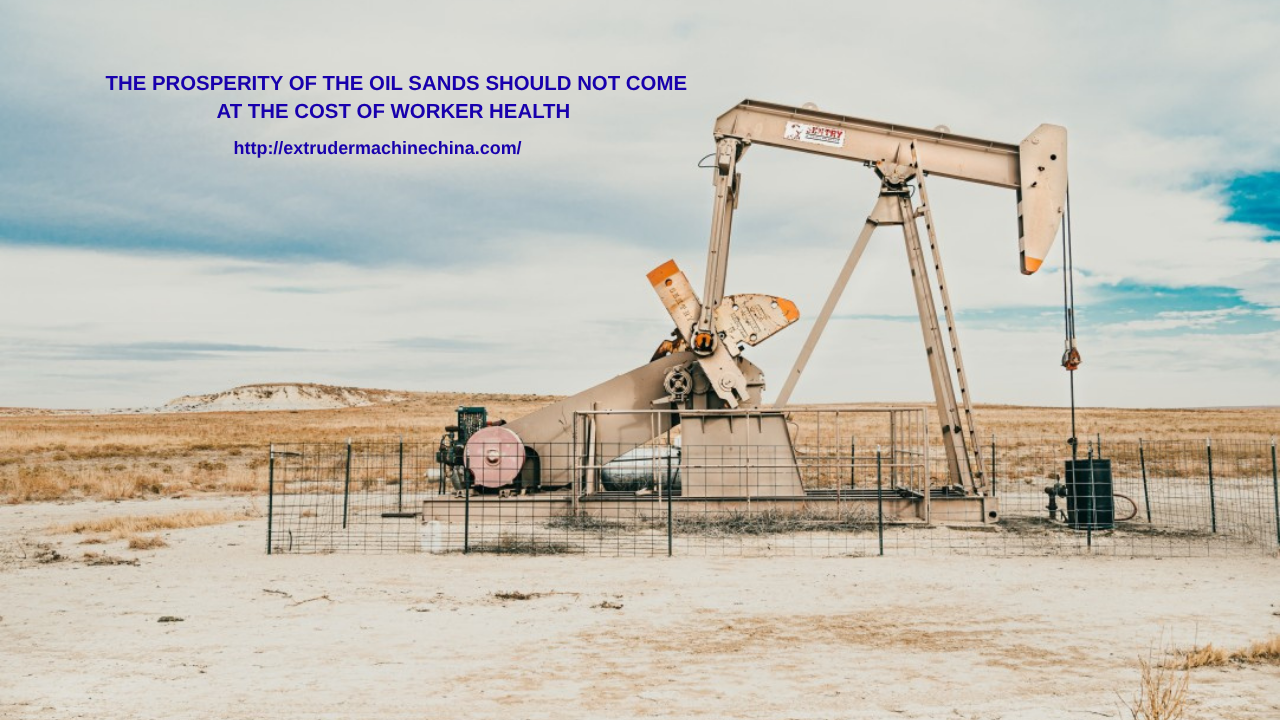
The prosperity of the oil sands should not come at the cost of worker health and well-being. By acknowledging the hidden addiction crisis and taking concrete steps to address it, industry leaders, healthcare providers, and policymakers can work together to create a safer, healthier future for both workers and the communities that support them. It’s time to confront the “Boomtown Blues” and break the cycle of addiction in the oil sands.

Breaking the Cycle: Solutions to the Addiction Crisis in the Oil Sands

The addiction crisis in Canada’s oil sands industry has grown into a pressing concern, impacting not only workers but also their families and communities. Long hours, physical strain, mental stress, and the isolating nature of remote work camps have all contributed to a surge in substance use disorders among oil sands laborers. To create lasting change, a proactive, compassionate, and collaborative approach is necessary to break the cycle of addiction.

Understanding the Root Causes

Before effective solutions can be implemented, it’s essential to understand the factors that drive addiction in the oil sands. Workers often face intense physical demands, chronic pain, long stints away from home, and a culture that stigmatizes mental health struggles. These conditions create fertile ground for drug and alcohol use, which can initially seem like the only available coping mechanisms.

The most common substances used are opioids for pain relief, stimulants to maintain alertness during long shifts, and alcohol to ease stress and loneliness. Left unchecked, these coping strategies often lead to addiction, endangering not only the worker’s health but also workplace safety and overall industry productivity.

Employer-Led Solutions

Companies operating in the oil sands must take a leadership role in addressing this crisis. Implementing comprehensive employee wellness programs is a crucial step forward. These programs should include:

  • Mental Health Services: On-site or virtual access to counselors and psychologists who specialize in occupational stress and addiction.
  • Substance Abuse Education: Regular workshops and training to help workers recognize early signs of addiction and understand their options for help.
  • Anonymous Helplines and Peer Support: Confidential resources that workers can access without fear of judgment or job loss.

Additionally, employers can reevaluate work schedules and camp environments. Rotational shifts that allow for more frequent home visits, and improvements in living conditions, recreational opportunities, and social engagement can reduce feelings of isolation.

Community and Healthcare Support

Local communities also play a vital role in recovery. Increasing access to addiction treatment centers, outpatient care, and harm reduction services—such as supervised consumption sites and needle exchange programs—can offer lifelines to those in crisis. Collaborations between oil companies, healthcare providers, and municipal governments can ensure these resources are adequately funded and tailored to the unique needs of oil sands workers.

Mobile addiction clinics and telehealth services can bridge the gap for remote workers, providing counseling, medication-assisted treatment, and follow-up care no matter where a worker is located.

Changing the Culture

Arguably the most important step in breaking the addiction cycle is changing the deeply ingrained culture of silence and toughness. Creating a work environment where mental health is openly discussed and help-seeking is encouraged can reduce stigma and make recovery more accessible.

Leadership should lead by example, speaking openly about these issues and championing initiatives that prioritize mental well-being.

Conclusion

Breaking the addiction cycle in the oil sands is possible—but it requires a collective commitment to supporting workers as whole people, not just as laborers. With compassionate leadership, strong community ties, and systemic change, the industry can shift from a place of peril to a model for how to address addiction with empathy and effectiveness.