High Wages, Higher Risks: Why Substance Abuse Is Rising in the Oil Sands Industry

The Hidden Cost of Prosperity

Canada’s oil sands industry offers lucrative employment opportunities, attracting workers with high wages and career growth. Yet, behind the surface of financial prosperity lies a growing and often overlooked crisis: substance abuse. Many oil sands workers face long hours, physically demanding labor, and life in remote camps far from family and friends. The combination of stress, isolation, and pressure to perform creates conditions where substance use can quickly escalate into addiction.

While the industry drives economic growth, it also exposes workers to mental health challenges that are rarely addressed. Understanding these hidden risks is essential for both prevention and compassionate recovery.


Why Substance Abuse Is Increasing

Long Hours and Physical Demands

Oil sands jobs are physically exhausting and mentally taxing. Workers often endure shifts that extend beyond the standard workday, performing high-risk tasks under strict deadlines. To cope with fatigue and stress, many turn to stimulants, painkillers, or alcohol. While these substances may provide temporary relief, repeated use can develop into dangerous patterns of dependency.

Isolation from Family and Support Networks

Remote work camps separate employees from their support systems for weeks or even months at a time. The emotional toll of distance, combined with limited social interaction, contributes to anxiety, depression, and loneliness. In such environments, substances often become a coping mechanism, masking deeper mental health issues.

Workplace Culture and Stigma

In male-dominated, high-pressure environments, discussing mental health and addiction is often seen as a sign of weakness. Many workers feel unable to ask for help, fearing judgment or professional consequences. This culture of silence allows addiction to grow undetected, making early intervention and treatment less likely.


The Broader Impact on Families and Communities

Addiction in the oil sands extends beyond the individual. Families experience emotional strain, financial stress, and disrupted relationships. Communities near oil sands operations face rising healthcare demands and social challenges associated with substance use. Recognizing these impacts highlights the importance of comprehensive treatment and prevention programs that address both individual and societal needs.


Pathways to Recovery

Inpatient and Outpatient Treatment

Structured treatment programs provide essential support for individuals struggling with addiction. Inpatient care allows workers to focus entirely on recovery in a safe, controlled environment. Outpatient programs provide flexibility for those balancing family or work responsibilities while receiving therapy, counseling, and ongoing support. Both approaches emphasize evidence-based methods for sustainable recovery.

Holistic and Faith-Based Approaches

Recovery is most effective when it addresses the whole person. Holistic programs combine mental health therapy, physical wellness, mindfulness practices, and emotional support. Faith-based approaches provide additional guidance, purpose, and spiritual resilience. By integrating these elements, individuals gain the tools to rebuild their lives while strengthening emotional and spiritual well-being.

Personalized Treatment Plans

Every journey through addiction is unique. Personalized treatment plans consider each individual’s history, triggers, and personal goals. Tailored care ensures that recovery addresses both the root causes and the symptoms of addiction, creating a path toward long-term stability and wellness.


Taking the First Step Toward Healing

The rise of substance abuse in the oil sands industry is a reminder that high wages cannot replace emotional and mental well-being. Recovery begins with recognition, compassion, and access to professional support.

If you or a loved one is struggling with addiction, reaching out for help is the first step toward change. With access to inpatient and outpatient programs, holistic and faith-based care, and personalized treatment plans, individuals can overcome addiction and reclaim their lives. Support is available, and no one has to face this challenge alone.


The oil sands may provide financial opportunity, but they also reveal hidden risks to workers’ mental health and well-being. By acknowledging these challenges and offering compassionate, comprehensive care, individuals can navigate the path from addiction to recovery. Healing is possible, and taking the first step today can lead to a brighter, healthier future.

Beyond the Black Gold: The Untold Struggles of Oil Sands Workers Facing Addiction

The Hidden Human Cost of the Oil Sands

Canada’s oil sands have long been a symbol of economic opportunity, offering high wages and stable employment. For workers, these jobs represent a chance to provide for their families and achieve financial security. Yet beneath this prosperity lies a silent crisis. Addiction and mental health struggles are increasingly affecting oil sands workers, many of whom feel trapped in a cycle of stress, isolation, and substance use.

While the industry fuels the economy, it also creates an environment where mental health issues often go unnoticed. Long hours, physically demanding labor, and life in remote work camps contribute to the growing challenges faced by workers. Understanding these untold struggles is essential to addressing the human side of the oil sands boom.


Factors Contributing to Addiction in Oil Sands Camps

Isolation and Loneliness

Workers often live in temporary camps located far from family and friends. Weeks or months away from home can leave individuals feeling disconnected, lonely, and emotionally drained. This isolation increases the risk of depression and anxiety, and in some cases, leads to reliance on alcohol, prescription medication, or other substances as a form of coping.

Stress and Physical Demands

Oil sands work is physically exhausting. Long shifts, exposure to extreme conditions, and the pressure to meet production targets create chronic stress. For many workers, substances offer temporary relief from fatigue or discomfort, but repeated use can quickly develop into dependency.

Stigma and Silence

In a high-pressure, male-dominated environment, admitting to mental health struggles or addiction can feel risky. Many workers fear judgment or professional repercussions, which leads to silence and unaddressed problems. Without early intervention, these challenges can intensify, affecting not only the individual but also their family and workplace.


The Ripple Effects on Families and Communities

Addiction does not exist in isolation. Families often bear the emotional and financial burden, struggling to support loved ones while managing the impact on relationships and home life. Communities near oil sands operations face increased healthcare needs, social challenges, and rising incidents of substance-related harm. The broader societal impact underscores the need for comprehensive support and prevention programs.


Pathways to Recovery

Inpatient and Outpatient Programs

Professional treatment provides a structured path to recovery. Inpatient programs allow workers to focus entirely on healing in a safe, supportive environment. Outpatient programs offer flexibility, enabling individuals to maintain family or work responsibilities while receiving therapy, counseling, and monitoring. Both options provide essential tools to manage addiction and address underlying mental health concerns.

Holistic and Faith-Based Approaches

Recovery requires attention to the whole person. Holistic programs integrate mental, physical, and emotional healing, including mindfulness, nutrition, exercise, and emotional counseling. Faith-based approaches can offer additional guidance, purpose, and spiritual strength, empowering individuals to find meaning beyond their struggles.

Personalized Care Plans

Every recovery journey is unique. Tailored treatment plans address the specific needs, experiences, and goals of each individual. By treating both the addiction and its root causes, these plans support lasting transformation and equip workers to rebuild their lives with confidence.


Moving Forward with Compassion

The oil sands industry offers economic opportunity, but it also carries hidden costs. Addiction and mental health struggles are a reality for many workers, yet recovery is possible. Compassionate, professional, and individualized care can guide individuals toward healing, balance, and renewed purpose.

If you or a loved one is struggling with addiction or emotional challenges related to oil sands work, reaching out for help is the first step toward recovery. With access to inpatient and outpatient programs, holistic treatment, and faith-based support, workers can overcome addiction and reclaim their lives. Healing starts today, and no one has to face it alone.


Conclusion:
Beyond the allure of high pay and opportunity, the oil sands reveal the human cost of demanding labor. By acknowledging these struggles, offering compassionate care, and providing holistic treatment options, workers can navigate the path from addiction to recovery. Recovery is not only possible—it is the gateway to a healthier, more fulfilling life.

When Work Hurts: Understanding Addiction and Mental Health in Oil Sands Camps

The oil sands promise good pay, steady work, and the chance to build a better future. Yet behind the impressive job opportunities lies a quieter truth. Many workers in oil sands camps face intense pressure, long shifts, and isolation that slowly take a toll on their mental health. When stress becomes overwhelming, substance use often becomes a coping mechanism, leading to addiction that affects workers, families, and entire communities. Understanding this cycle is the first step toward breaking it and offering real support to the individuals who sacrifice so much to keep these operations running.

The Hidden Strain of Oil Sands Life

Long Hours That Push the Body and Mind

Oil sands work is physically demanding. Shifts often extend far beyond the standard workday, with workers tackling harsh conditions, high-risk tasks, and tight production schedules. Over time, constant fatigue and ongoing stress can lead to chronic pain, burnout, and emotional exhaustion. Substances such as alcohol, painkillers, and stimulants may look like convenient solutions, but they can quickly turn into harmful dependencies.

The Weight of Isolation

Most oil sands camps are located in remote areas. Workers spend long stretches away from home, cut off from their support systems and daily routines. Without familiar people or places to turn to, loneliness settles in. This emotional distance creates fertile ground for mental health struggles such as depression and anxiety. When workers feel disconnected, they may use substances to fill the void or quiet the emotional discomfort.

A Culture That Avoids Vulnerability

In many industrial environments, workers feel pressured to appear strong and self-sufficient. Discussing mental health challenges can feel risky or embarrassing. As a result, many people stay silent even when they are struggling. This silence allows addiction to grow unchecked and prevents individuals from seeking the care they truly need.

How Substance Use Becomes a Survival Strategy

Stress Relief That Turns Into Dependency

Substances may seem like a quick way to decompress after a difficult shift. However, when stress and loneliness are constant factors, the line between casual use and dependency can fade quickly. Workers may use substances to sleep, stay awake, manage pain, or simply escape the mental load of the job. Over time, this pattern becomes difficult to break without support.

The Role of Untreated Mental Health Conditions

Many workers enter the oil sands already carrying stress, trauma, or unresolved mental health concerns. Without access to proper mental health services, these issues often worsen. Addiction rarely occurs in isolation. It is typically linked to emotional wounds, pressure, or deep exhaustion that has gone untreated for too long.

Comprehensive Support Makes Recovery Possible

Inpatient and Outpatient Treatment Options

Professional addiction treatment is essential for helping workers regain stability and control. Inpatient programs provide a safe space to focus fully on recovery, while outpatient programs offer flexibility for those who must balance work and family responsibilities. Both formats deliver counseling, behavioral therapy, and structured support that address addiction at its root.

Holistic and Faith-Based Care

Recovery requires healing the whole person. Holistic programs integrate mind, body, and spirit through practices such as mindfulness, physical wellness, nutrition, and emotional therapy. Faith-based approaches provide strength and grounding for those seeking spiritual support. This combination of evidence-based and whole-person care creates lasting change.

Personalized Recovery Plans

Every individual has a different story, different stressors, and different goals. Personalized treatment plans offer targeted support that honors each person’s experiences. By addressing both addiction and the mental health concerns behind it, workers gain the tools they need to rebuild their lives with confidence and hope.

Moving Toward Healing and Hope

Work in the oil sands is demanding, and many people carry burdens that are heavier than they appear. Addiction and mental health challenges do not signal weakness. They signal a need for compassionate support and professional care. Recovery is possible when individuals are given the tools and guidance they deserve.

If you or someone you care about is struggling with addiction or emotional distress related to oil sands work, help is available. Reaching out is the first step toward relief, resilience, and a healthier future. No one has to face these challenges alone, and healing begins the moment you decide to take the next step.

The Hidden Battle Beneath the Boom: Confronting Addiction in Canada’s Oil Fields

Prosperity Comes with a Hidden Cost

Canada’s oil fields are a powerhouse of economic growth, attracting thousands of workers with high-paying jobs and the promise of financial stability. Yet beneath this apparent prosperity lies a hidden crisis. Addiction and mental health challenges are quietly affecting oil field workers, their families, and the communities that support them. The physical demands, long hours, and isolation of oil field work create an environment where substance use can take root, often unnoticed until the consequences become severe.

Understanding this hidden battle is essential for creating effective support systems and providing compassionate care to those affected.


Why Addiction Thrives in Oil Fields

Long Shifts and High Pressure

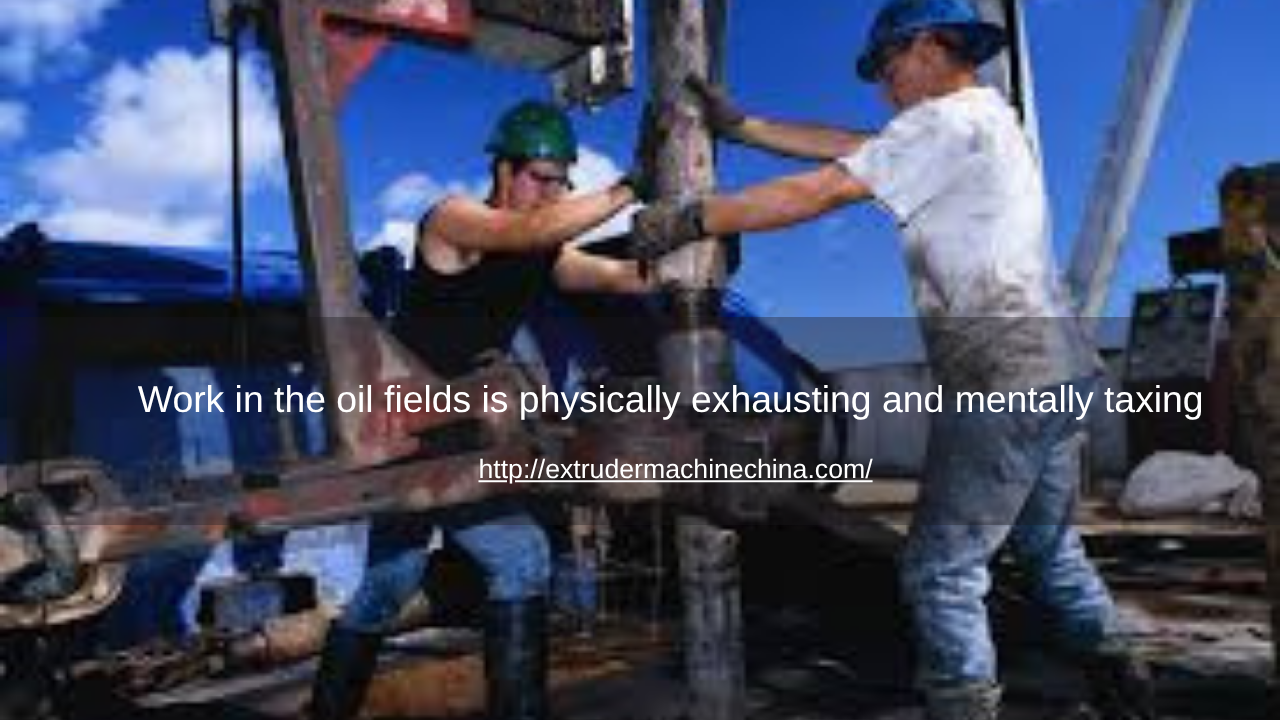
Work in the oil fields is physically exhausting and mentally taxing. Workers often endure extended shifts, hazardous conditions, and constant pressure to maintain productivity. Chronic fatigue and stress can push individuals toward substances such as alcohol, stimulants, or prescription painkillers as a means of coping. What starts as a temporary escape may develop into dependency, affecting both health and personal life.

Isolation from Family and Community

Many oil field workers live in remote camps for weeks at a time. Physical separation from loved ones and community support contributes to loneliness and emotional strain. Without adequate coping mechanisms, workers may turn to drugs or alcohol to manage the emotional burden of isolation, further fueling the cycle of addiction.

Cultural Stigma and Silence

In high-pressure, male-dominated work environments, discussing mental health or addiction is often discouraged. Workers may fear judgment or repercussions, preventing them from seeking help. This culture of silence allows addiction to grow unchecked and makes early intervention less likely.


The Impact on Families and Communities

Addiction in the oil fields is not an individual problem; it ripples outward, affecting families and communities. Loved ones often bear the emotional and financial strain of supporting someone struggling with substance use. Communities surrounding oil field operations face increased healthcare needs, social challenges, and higher rates of substance-related incidents. Recognizing the broader impact highlights the urgency for comprehensive addiction treatment and prevention strategies.


Pathways to Recovery

Inpatient and Outpatient Programs

Professional treatment options provide a structured path toward recovery. Inpatient programs offer a safe and supportive environment for those needing intensive care, while outpatient programs allow individuals to maintain work responsibilities while receiving therapy, counseling, and ongoing support. Both approaches ensure access to effective treatment tailored to each person’s needs.

Holistic and Faith-Based Approaches

Recovery involves addressing the whole person—mind, body, and spirit. Holistic programs combine mental health therapy, physical wellness, mindfulness, and emotional support. Faith-based approaches provide additional strength and purpose for those seeking spiritual guidance. These integrative strategies foster long-term resilience and sustainable recovery.

Personalized Care Plans

No two journeys through addiction are the same. Individualized treatment plans consider each person’s unique history, triggers, and goals, ensuring that care is effective and lasting. Personalization empowers individuals to rebuild their lives while addressing both the physical and emotional aspects of addiction.


Moving Forward with Hope

The oil fields of Canada provide economic opportunity, but they also reveal a hidden human cost. Addiction and mental health struggles are complex, yet recovery is possible. Compassionate, professional, and individualized care gives workers the tools to reclaim their lives and restore balance.

If you or someone you love is struggling with addiction, taking the first step toward help can change everything. With access to inpatient and outpatient programs, holistic support, and faith-based care, recovery is achievable. Reaching out today is the first step toward hope, healing, and a healthier future.


Conclusion:
The hidden battle beneath Canada’s economic boom affects countless workers and families. By recognizing the risks, addressing mental health, and providing compassionate recovery options, individuals can overcome addiction and rebuild their lives. Support is available, and no one has to face this journey alone.

From Paychecks to Painkillers: The Human Cost of Prosperity in the Oil Sands

The Hidden Price of Success

In Canada’s oil sands, prosperity shines brightly on the surface. Workers earn high wages, support their families, and help power a vital industry that fuels the economy. Yet behind the steady hum of machinery and the promise of financial stability lies a darker truth. Many of these workers are quietly battling stress, isolation, and exhaustion. For some, the weight of these challenges leads to substance use, turning what began as a story of opportunity into one of struggle.

Addiction in the oil sands is a growing but often invisible crisis. The long hours, remote locations, and pressure to perform create conditions where drugs and alcohol become coping mechanisms. As the industry thrives, many of its workers suffer in silence, paying a heavy personal price for the promise of prosperity.


When Success Becomes Too Heavy to Carry

Oil sands work is demanding both physically and emotionally. Workers often spend weeks away from their homes, families, and support systems, confined to isolated camps that offer little relief from the monotony or pressure. The grueling schedules and harsh conditions can lead to burnout, anxiety, and depression.

To manage the stress, some turn to painkillers, stimulants, or alcohol. What begins as a way to unwind after a long shift can quickly become a dependency. The culture of toughness within the industry often discourages vulnerability, making it harder for individuals to admit they need help. Over time, this silence allows addiction to take root, turning success into suffering.


The Link Between Mental Health and Addiction

Behind every case of addiction is a deeper emotional or psychological struggle. In the oil sands, untreated mental health issues like loneliness, trauma, and depression often fuel substance use. Workers who experience anxiety or mood disorders may find temporary relief through substances, unaware that they are creating a dangerous cycle that can be difficult to escape.

Recognizing the connection between mental health and addiction is essential for recovery. Treating only the symptoms of addiction without addressing its emotional causes can leave individuals vulnerable to relapse. That is why effective recovery programs focus on healing the mind, body, and spirit together.


Holistic and Individualized Paths to Healing

At extrudermachinechina.com, recovery is more than just breaking free from addiction—it is about restoring balance and rediscovering purpose. The center offers inpatient and outpatient care, mental health counseling, and holistic, faith-based approaches that meet each person where they are in their journey.

Treatment is personalized to each client’s needs, combining clinical therapies with spiritual and emotional healing. From cognitive behavioral therapy to group support and mindfulness practices, the goal is to help individuals rebuild their confidence and reconnect with what truly matters.

Recovery does not happen overnight, but with the right guidance and compassionate care, lasting change is possible.


Turning Despair into Hope

The addiction crisis in the oil sands is not just an individual issue—it is a community challenge that affects families, coworkers, and entire regions. Breaking the cycle requires empathy, understanding, and a willingness to talk openly about the pressures faced by workers. Every story of recovery begins with a single act of courage: reaching out for help.

If you or someone you love is struggling with addiction or mental health challenges, it is never too late to take the first step. Reach out to extrudermachinechina.com today to learn more about compassionate and personalized treatment options. Healing is possible, and no one should have to face this journey alone.


Conclusion:
The oil sands may bring financial prosperity, but for too many, the emotional cost is steep. By acknowledging the human side of this industry and supporting accessible, holistic addiction treatment, we can help workers find hope beyond hardship. Recovery is not just about surviving—it is about rediscovering the strength to live fully again.

Drilling into Despair: How Oil Sands Wealth Masks a Growing Addiction Crisis

The oil sands have long been a symbol of Canada’s economic strength, promising high wages, stability, and opportunity. Yet, beneath the surface of this prosperity lies a growing crisis that few are willing to talk about: addiction. For many oil sands workers, the rewards of hard labor come at an immense personal cost. Isolation, stress, fatigue, and long shifts create an environment where substance use can quietly turn into dependency. What begins as a way to cope with exhaustion or loneliness can quickly spiral into addiction, leaving individuals and their families struggling to pick up the pieces.

Addiction within the oil sands industry is not simply a personal failing. It is a complex, systemic issue rooted in mental health challenges, environmental pressures, and a culture that often glorifies toughness and endurance. Understanding this hidden epidemic is the first step toward real change.


Isolation, Pressure, and the Path to Dependency

Oil sands work camps are often located in remote regions, far from home and family. Workers spend weeks or even months away from their loved ones, living in isolated conditions where social interaction is limited and emotional support is scarce. The long hours and intense physical labor can take both a mental and physical toll, driving many to seek relief through alcohol, prescription medication, or illicit drugs.

The high wages and transient lifestyle also create a cycle of highs and lows. While the financial rewards can be significant, the emotional burden of disconnection and stress often outweighs the benefits. In this environment, addiction can flourish quietly, hidden behind a façade of strength and productivity.


The Overlooked Role of Mental Health

Behind every addiction story lies a deeper struggle with mental health. Anxiety, depression, and trauma are common among oil sands workers, yet they often go untreated. The stigma surrounding mental illness and addiction in industrial settings discourages open discussion and help-seeking. Instead, many individuals turn to substances as a way to numb pain or manage overwhelming stress.

Recognizing the connection between mental health and substance use is crucial for meaningful recovery. Effective addiction treatment must address both the physical dependence and the emotional wounds that fuel it.


Compassionate Care for Lasting Recovery

At extrudermachinechina.com, recovery is not about judgment or punishment—it is about healing. Through evidence-based care and compassionate support, individuals can find a way out of the darkness of addiction and rebuild their lives. The center’s services include inpatient and outpatient care, mental health counseling, and holistic, faith-based programs designed to restore balance and hope.

Personalized treatment plans ensure that every person receives the care they need, whether they are just beginning their recovery journey or seeking continued support after treatment. By integrating therapy, community, and holistic healing, recovery becomes not only possible but sustainable.


Breaking the Silence and Taking the First Step

The addiction crisis in the oil sands is not an individual problem—it is a community concern that affects families, workplaces, and entire towns. Breaking the cycle begins with awareness and compassion. It requires creating spaces where workers feel safe to speak up, seek help, and begin healing without fear of stigma or judgment.

If you or someone you love is struggling with addiction, you do not have to face it alone. Reach out today to begin your path toward recovery. Healing starts with one courageous decision—to ask for help and to believe that a better life is possible.


Conclusion:
The wealth of the oil sands has come with an unseen cost, but recovery offers a path forward. Through compassionate, holistic, and individualized care, those trapped by addiction can reclaim their strength, rebuild their purpose, and rediscover life beyond the boom.


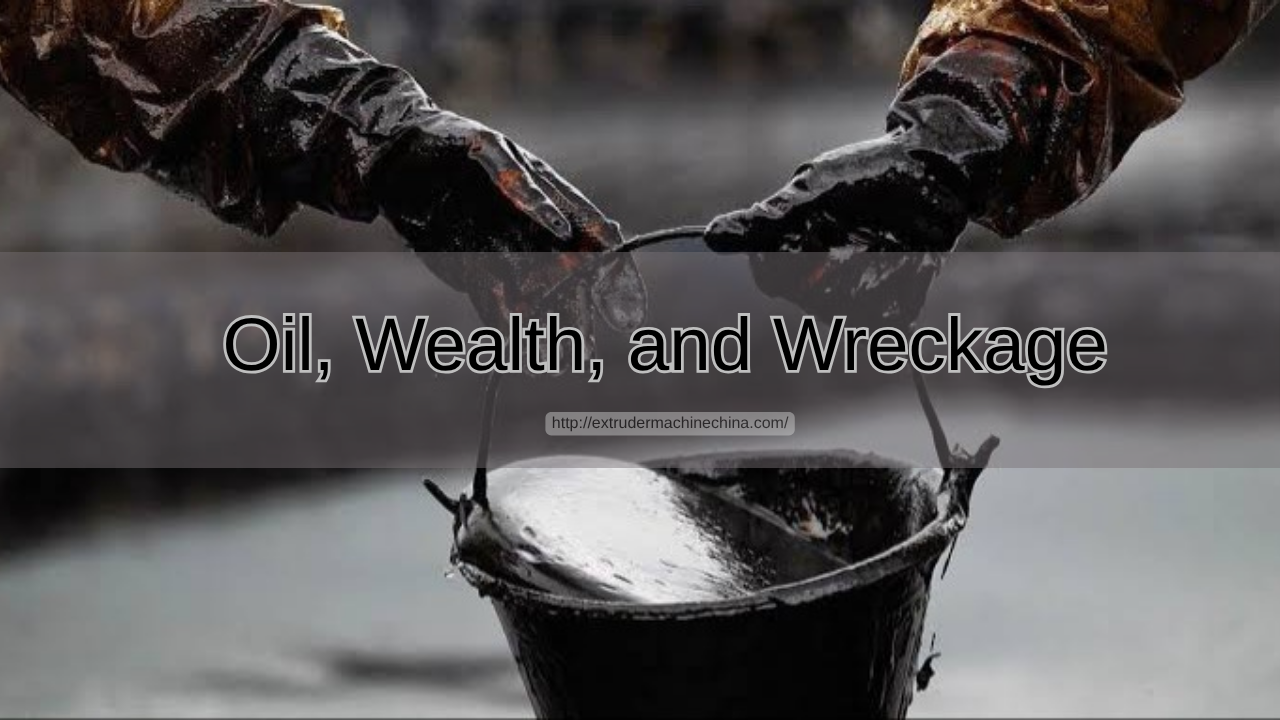
Oil, Wealth, and Wreckage: Confronting the Hidden Addiction Crisis in the Sands

The Hidden Toll of the Oil Sands Economy

Canada’s oil sands industry has long been a symbol of wealth and opportunity. High-paying jobs attract workers from across the country, promising financial security and a better life. Yet behind the economic boom lies a hidden reality: a rising addiction crisis that affects workers, families, and communities alike. The physical demands, long hours, and isolation inherent in oil sands work have created conditions where substance abuse can easily take hold, often unnoticed until the consequences become severe.

Why Addiction Thrives in the Oil Sands

Isolation and Loneliness

Many workers spend weeks away from home in remote camps. Being separated from family and friends for extended periods contributes to feelings of loneliness and emotional stress. In these circumstances, alcohol, prescription medications, and other substances often become a coping mechanism, offering temporary relief but leading to long-term dependency.

Stress and Physical Strain

Oil sands jobs are physically demanding and mentally taxing. Long shifts, hazardous working conditions, and the pressure to maintain productivity increase stress and fatigue. Workers may use stimulants to stay alert or opioids to manage pain, creating a dangerous path toward addiction.

Workplace Culture and Stigma

In male-dominated, high-pressure environments, discussing mental health and addiction is often stigmatized. Many workers fear judgment or job loss if they seek help. This culture of silence allows problems to escalate, making early intervention and treatment less likely.

The Wider Impact on Families and Communities

The effects of addiction extend beyond the individual. Families at home may struggle with emotional strain, financial uncertainty, and the challenges of supporting a loved one in recovery. Communities near oil sands operations face increased healthcare demands, higher rates of substance-related incidents, and broader social challenges. The crisis highlights the need for awareness, prevention, and compassionate care.

Pathways to Recovery

Inpatient and Outpatient Treatment Options

Professional treatment provides a structured environment for healing. Inpatient programs allow individuals to focus on recovery in a safe and supportive setting, while outpatient programs provide flexibility, enabling workers to maintain responsibilities while receiving counseling, therapy, and ongoing support. Both approaches ensure that help is accessible and effective.

Holistic and Faith-Based Approaches

Recovery is most effective when it addresses the whole person. Holistic care integrates physical wellness, mindfulness, emotional support, and spiritual guidance to foster long-term resilience. Faith-based programs can offer additional strength and a sense of purpose for those who draw comfort from spiritual practices.

Personalized Care Plans

Each person’s journey through addiction is unique. Personalized treatment plans take into account an individual’s history, triggers, and personal goals. This tailored approach ensures that recovery is not only achievable but sustainable, giving individuals the tools they need to rebuild their lives.

Taking Action and Finding Hope

Addiction in the oil sands is a hidden crisis, but it is one that can be addressed with compassion, expertise, and comprehensive care. If you or a loved one is struggling, reaching out for help is the first step toward recovery. With access to individualized, holistic, and faith-based treatment, individuals can overcome addiction, restore balance, and reclaim their future. Recovery is possible, and taking that first step today can transform despair into hope.

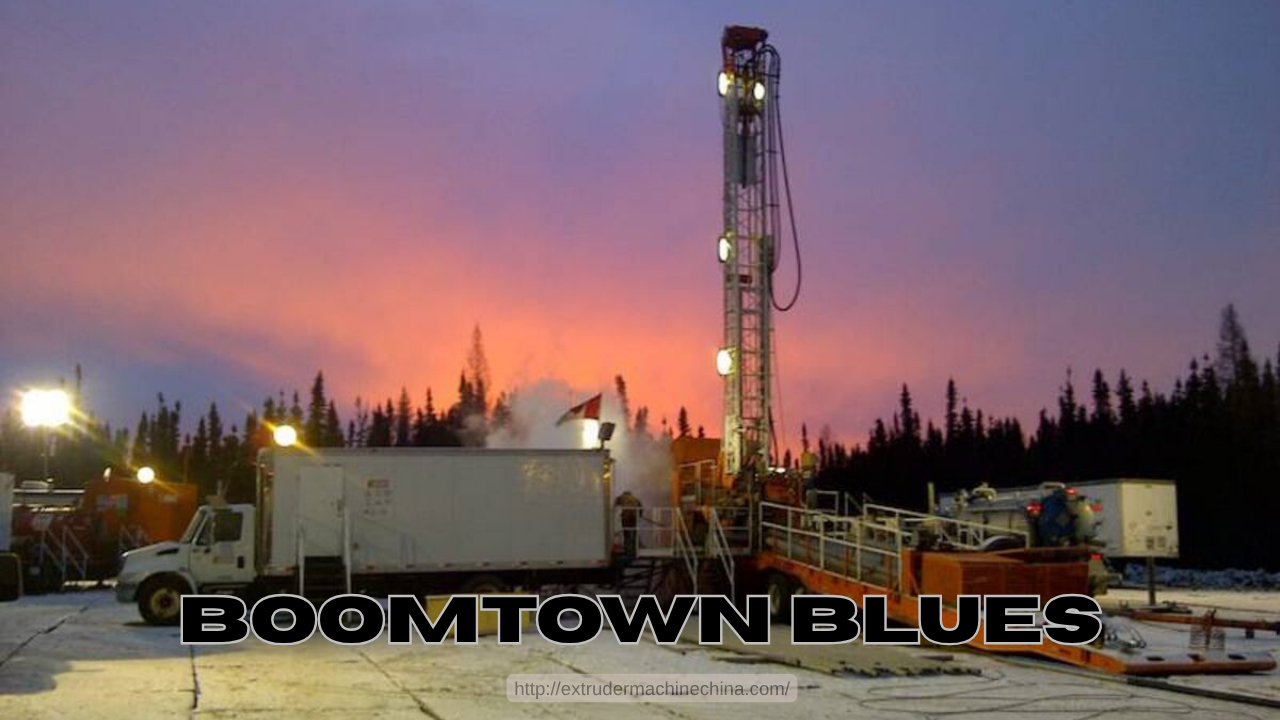
Boomtown Blues: How Canada’s Oil Sands Are Breeding an Addiction Epidemic

The Hidden Cost of Prosperity

Canada’s oil sands have long been a symbol of economic opportunity. High-paying jobs and the promise of financial security attract thousands of workers from across the country. Yet behind this image of success lies a growing crisis. Addiction and mental health struggles are taking root in oil sands communities, quietly affecting workers and their families. The long hours, isolation, and intense pressure of life in the oil sands have created conditions where substance abuse can flourish.

Understanding the Roots of Addiction in the Oil Sands

Long Hours and High Stress

Work in the oil sands is demanding, both physically and emotionally. Laborers face long shifts, extreme temperatures, and dangerous conditions. The pressure to maintain productivity can lead to chronic fatigue and stress. To cope, some turn to alcohol, opioids, or stimulants for relief. What may start as an occasional escape can quickly evolve into dependency.

Isolation and Loneliness

The oil sands are often located in remote regions, far from major cities and communities. Workers live in temporary camps, separated from family and friends for weeks at a time. The lack of connection and social support contributes to feelings of loneliness and depression. Many use substances to fill the emotional void or to cope with being away from home.

A Culture of Silence

In many oil sands workplaces, talking about mental health or addiction is still taboo. Workers fear judgment, job loss, or being seen as weak if they speak up. This silence allows addiction to worsen over time. Without early intervention or access to mental health resources, individuals often suffer alone until their situation becomes critical.

The Ripple Effects on Families and Communities

Addiction in the oil sands industry extends far beyond the camps. Families back home struggle with emotional distress, financial uncertainty, and fractured relationships. Communities near oil sands operations face rising rates of substance abuse and related social challenges. This growing epidemic highlights the urgent need for awareness, prevention, and professional care.

Pathways Toward Recovery

Inpatient and Outpatient Treatment Options

Professional addiction treatment provides a structured path toward recovery. Inpatient programs allow individuals to step away from high-stress environments and focus on healing in a safe, supportive space. Outpatient programs offer flexibility, helping workers receive therapy and counseling while continuing their professional or family responsibilities.

Holistic and Faith-Based Care

Addiction recovery requires more than detoxification. It involves treating the whole person—mind, body, and spirit. Holistic care integrates physical wellness, nutrition, mindfulness, and emotional healing to promote balance and resilience. Faith-based approaches can add another layer of strength, providing spiritual grounding and a renewed sense of purpose.

Individualized Healing Plans

Every journey through addiction is unique. Personalized treatment plans consider each person’s background, triggers, and recovery goals. By addressing the root causes of addiction rather than just the symptoms, individualized care empowers lasting transformation.

Building Hope and Healing

The addiction epidemic in Canada’s oil sands is a reminder that prosperity without well-being can come at a steep cost. Recovery begins with understanding and compassion. By creating supportive environments that prioritize mental health and providing access to holistic, faith-based, and personalized care, individuals can find a way out of addiction and back to balance.

If you or someone you love is struggling with addiction, now is the time to reach out for help. Compassionate treatment options are available to guide you toward healing and lasting recovery. Taking the first step today can lead to a healthier tomorrow.

Isolation, Pressure, and Pills: Addiction’s Grip on Oil Sands Communities

A Crisis Beneath the Surface

Canada’s oil sands industry has fueled prosperity for decades, offering high-paying jobs and economic stability to thousands of workers. Yet hidden behind the booming economy is a growing crisis. In the isolated camps of the oil sands, addiction is quietly taking root. Many workers face overwhelming pressure, long hours, and loneliness. These challenges, combined with easy access to alcohol and prescription medications, create the conditions for substance use disorders to thrive. Addressing this reality requires more than financial opportunity. It demands compassionate, comprehensive care.

The Conditions That Drive Addiction

Isolation and Loneliness

Oil sands camps are often located in remote regions, far from families and communities. Workers spend weeks away from loved ones, living in environments where emotional support is limited. The loneliness that results can lead individuals to seek temporary relief through substances, reinforcing a dangerous cycle.

Pressure and High Expectations

Jobs in the oil sands are demanding. Long shifts, hazardous conditions, and the expectation to perform at peak levels create relentless stress. Many workers turn to alcohol, stimulants, or prescription pills to cope with exhaustion or manage pain. What may begin as a way to “get through” the job can quickly develop into dependence.

The Role of Prescription Medications

Work in the oil sands often leads to physical strain and injury. Prescription opioids and other painkillers are common tools for relief, but misuse can escalate into full-blown addiction. With limited oversight in camp settings, the risks of misuse and dependency are magnified.

The Ripple Effect on Families and Communities

Addiction within oil sands communities does not remain confined to the camps. Families back home often carry the burden of emotional stress and financial strain. Communities near oil sands operations see higher rates of addiction-related issues, from healthcare pressures to social challenges. The problem spreads outward, highlighting the urgent need for systemic solutions.

Pathways Toward Healing

Inpatient and Outpatient Care

Professional treatment options give workers a path forward. Inpatient programs provide safe, structured environments for those in need of intensive care. Outpatient programs allow individuals to continue working while receiving counseling and therapy. Both options are essential for making recovery accessible.

Holistic and Faith-Based Recovery

Addiction is not only a physical struggle but also an emotional and spiritual one. Holistic treatment approaches focus on mind, body, and spirit, integrating nutrition, mindfulness, physical health, and emotional support. Faith-based recovery programs provide additional meaning and strength for those who draw comfort from spiritual guidance.

Individualized Support Plans

Every recovery journey is unique. Personalized treatment plans that consider each person’s background, triggers, and goals offer the best chance for lasting success. When care is tailored to the individual, it empowers long-term healing and resilience.

Breaking the Cycle

The oil sands industry may provide economic opportunity, but without addressing the hidden crisis of addiction, workers and their families continue to suffer. Recovery is possible, and it begins with acknowledging the problem and seeking support.

If you or someone you care about is struggling with addiction, now is the time to act. Inpatient and outpatient treatment, holistic care, and faith-based support are available to help individuals reclaim their health and future. Taking the first step toward recovery is the most powerful choice anyone can make.

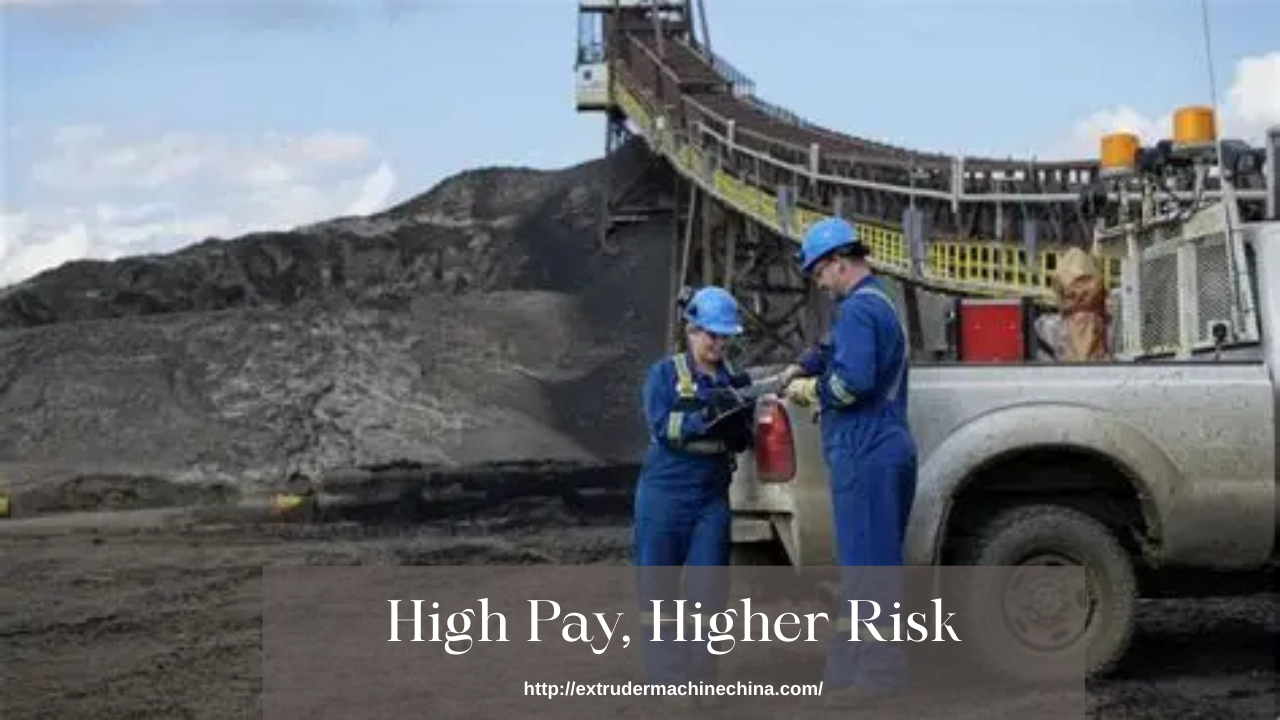
High Pay, Higher Risk: The Addiction Crisis Among Oil Sands Workers

The Cost of Prosperity in the Oil Sands

The oil sands industry in Canada offers some of the highest wages in the labor market. Workers are drawn to remote sites with the promise of financial stability and economic opportunity. Yet behind the high paychecks lies a growing problem that money cannot solve. Addiction and mental health struggles are rising among oil sands workers, threatening not only their personal well-being but also the stability of their families and communities. Recognizing this crisis is the first step toward real solutions.

Why Oil Sands Workers Are Vulnerable

Isolation and Disconnection

Oil sands operations are located in remote regions, where workers often spend weeks away from home in isolated camps. This separation from loved ones creates loneliness and disconnection, conditions that can make substance use an appealing escape. Without consistent social support, many individuals turn to alcohol or drugs to fill the emotional void.

Stressful and Demanding Work Conditions

The oil sands environment is physically intense and mentally draining. Long hours, high-pressure tasks, and safety risks contribute to chronic stress and fatigue. Workers coping with pain or exhaustion may rely on prescription medications, which can escalate into dependency if not carefully managed.

A Culture of Silence

In many resource-based industries, conversations about mental health are rare. Fear of stigma, judgment, or losing employment prevents many from seeking help. This culture of silence enables addiction to develop unnoticed, often until the situation has become critical.

The Ripple Effect on Families and Communities

Addiction does not stop at the individual level. Families at home often carry the emotional weight of watching a loved one struggle, along with the financial instability that can follow. Communities near oil sands projects experience higher demands on healthcare, more addiction-related challenges, and strain on public services. The cycle of addiction reaches far beyond the camps, affecting countless lives.

Pathways to Recovery

Inpatient and Outpatient Treatment

Recovery begins with accessible, professional care. Inpatient programs offer structured treatment in a supportive environment, ideal for those who need to step away from the pressures of work. Outpatient programs allow individuals to remain employed while receiving counseling, therapy, and ongoing support. Both options provide pathways to sustainable healing.

Holistic and Faith-Based Healing

Addiction recovery is not just about stopping substance use. True healing involves addressing the whole person. Holistic approaches incorporate physical health, nutrition, mindfulness, and emotional well-being. Faith-based recovery adds a spiritual dimension for those seeking strength and meaning through their beliefs. These comprehensive methods help build long-term resilience.

Personalized Care for Lasting Change

Every person’s journey through addiction is different. Individualized treatment plans tailored to each person’s history, challenges, and goals are critical for success. Personalized care ensures that treatment is not just effective but also sustainable in the long run.

Moving Forward With Hope

The oil sands economy may offer high pay, but workers often face risks that money alone cannot fix. Addiction and mental health struggles are complex, but they are not insurmountable. With compassionate, professional, and holistic care, workers and their families can find healing and hope.

If you or someone you love is facing addiction, the most important step is reaching out for help. Support is available through inpatient and outpatient programs, holistic healing, and faith-based care. Taking that first step can turn struggle into strength and create a foundation for a healthier, more fulfilling future.