Hope Beyond the Oil Fields: Treatment Options That Help Workers Overcome Substance Use Challenges

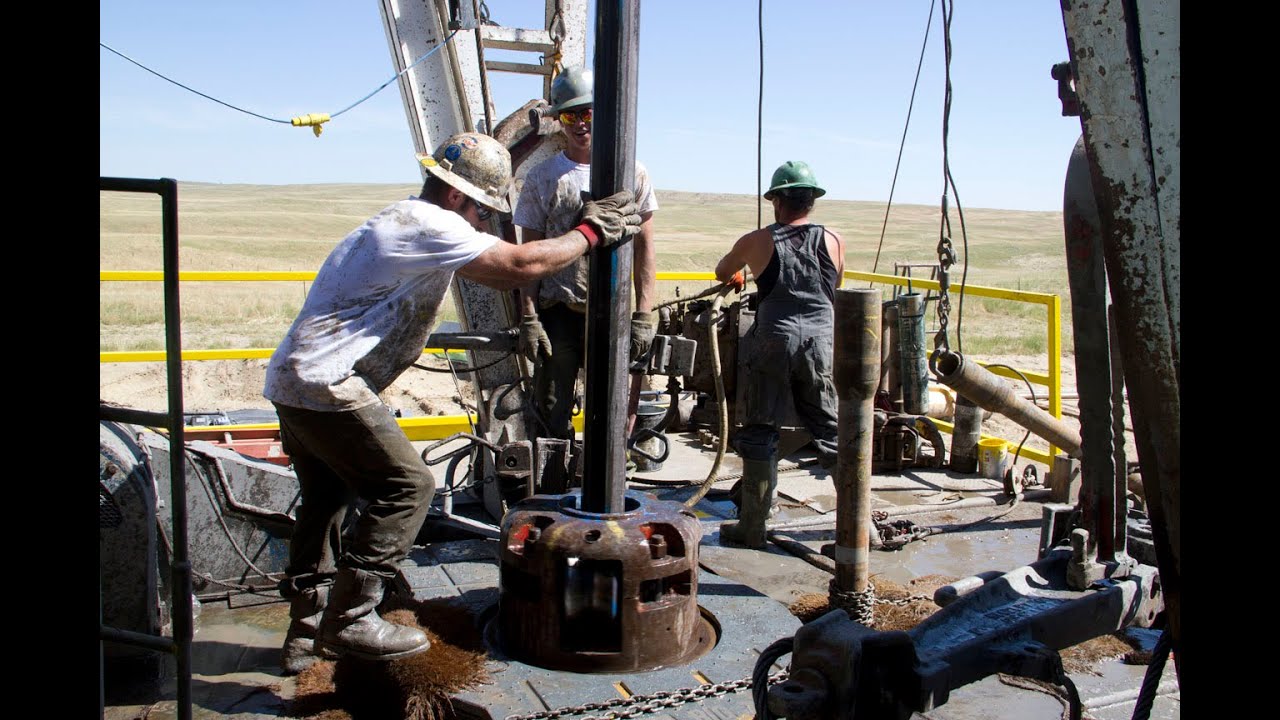
Working in the oil industry presents unique challenges. Long hours, high-pressure tasks, remote locations, and extended time away from family can create stress, fatigue, and isolation. For some workers, these conditions contribute to substance use or mental health struggles. Understanding effective treatment options is essential for oil industry employees and their families, offering hope that recovery is possible and sustainable.

Understanding Addiction in the Oil Industry

The oil industry demands resilience, both physically and mentally. Stress and isolation can make it easier for workers to rely on alcohol, prescription medications, or other substances as a way to cope. Over time, these habits can develop into dependency, affecting health, relationships, and workplace performance.

Recognizing addiction early is critical. Common warning signs include mood swings, decreased productivity, withdrawal from colleagues and family, and increased reliance on substances to manage stress. Early intervention and professional support can prevent long-term consequences and pave the way for recovery.

Treatment Options for Recovery

Recovery is achievable when workers access comprehensive, compassionate care. Effective treatment options focus on addressing both the physical and emotional aspects of substance use while promoting long-term well-being.

Inpatient and Outpatient Programs

Inpatient programs provide a structured environment with 24-hour medical supervision, therapy, and support, ideal for severe addiction or co-occurring mental health challenges. Outpatient programs allow employees to continue working while receiving counseling, therapy sessions, and relapse prevention support. Both approaches are designed to equip individuals with tools to manage stress, build coping strategies, and maintain long-term recovery.

Holistic and Faith-Based Approaches

Holistic treatment emphasizes healing the mind, body, and spirit. Mindfulness exercises, physical fitness, nutrition counseling, and stress management help workers develop resilience and healthier coping mechanisms. Faith-based programs offer additional support through spiritual guidance, community, and a sense of purpose, helping individuals stay motivated throughout the recovery process.

Personalized Treatment Plans

Every recovery journey is unique. Personalized care plans consider an individual’s work environment, family responsibilities, history of substance use, and mental health needs. Tailored programs increase engagement, reduce the risk of relapse, and ensure that recovery strategies are practical and sustainable for oil industry workers.

Supporting Recovery at Work and Home

Recovery is most successful when supported by family, peers, and employers. Open communication, empathy, and encouragement can create a positive environment that reinforces healthy choices. Employers can provide additional support through employee assistance programs, access to mental health resources, and education about addiction and wellness. Families play a critical role by participating in therapy sessions when appropriate and maintaining a stigma-free home environment.

Taking the First Step Toward Healing

Substance use challenges in the oil industry are serious but manageable. Understanding the unique stressors workers face and exploring professional, compassionate treatment options can provide hope and a clear path toward recovery. If you or a loved one are struggling with addiction, reaching out for help today can restore health, strengthen relationships, and empower workers to thrive both personally and professionally. Recovery is possible, and support is available for those ready to take the first step.

Long Shifts, Heavy Stress: Recognizing Addiction and Mental Health Struggles in the Oil Industry

The oil industry is one of the most demanding and high-pressure work environments in the world. Workers often face long shifts, physically challenging tasks, and extended periods away from family and community. These conditions can create significant stress, fatigue, and feelings of isolation, all of which may contribute to substance use and mental health challenges. Understanding how to recognize addiction and mental health struggles in this industry is critical for workers, families, and employers who want to foster recovery, resilience, and long-term well-being.

Understanding the Unique Stressors of Oil Industry Work

Employees in the oil sector face a combination of physical, mental, and emotional challenges. Long hours on rigs, exposure to high-risk situations, and the need to perform under pressure can increase stress levels and impact overall health. Remote worksites and prolonged travel away from home often lead to social isolation, limiting access to traditional support networks. These factors can make workers more vulnerable to using alcohol, prescription medications, or other substances to cope with stress, which can eventually develop into addiction.

Signs of Addiction and Mental Health Challenges

Recognizing the warning signs early is essential for effective intervention. Common indicators of addiction or mental health struggles among oil industry workers include:

  • Increased irritability or mood swings
  • Declining job performance or missed deadlines
  • Withdrawal from colleagues, friends, or family
  • Changes in sleep patterns, appetite, or physical appearance
  • Dependence on substances to manage stress or fatigue

Families, coworkers, and supervisors who are aware of these signs can play a critical role in encouraging early support and treatment.

Comprehensive Recovery and Support Strategies

Addiction and mental health challenges are treatable, especially when addressed through professional, personalized care. Recovery strategies for oil industry workers should consider the unique demands of their profession and focus on both prevention and treatment.

Inpatient and Outpatient Care Programs

Inpatient programs provide a structured environment with 24-hour medical supervision, therapy, and withdrawal management. This approach is ideal for workers facing severe addiction or co-occurring mental health conditions. Outpatient programs offer flexibility for employees who must continue working while participating in counseling, group therapy, and relapse prevention sessions. Both approaches aim to equip individuals with practical tools to manage stress and maintain long-term recovery.

Holistic and Faith-Based Treatment Approaches

Holistic care addresses the mind, body, and spirit, helping workers build resilience and develop healthier coping mechanisms. Practices such as mindfulness, physical fitness, and nutritional guidance support overall wellness. Faith-based programs offer community, guidance, and a sense of purpose, which can be particularly meaningful for individuals navigating recovery while balancing high-pressure work responsibilities.

Individualized Care for Sustainable Recovery

No two recovery journeys are the same. Personalized care plans consider each worker’s job demands, personal history, family dynamics, and mental health needs. Tailored treatment increases engagement, strengthens coping skills, and reduces the risk of relapse, allowing workers to achieve sustainable recovery while maintaining their professional responsibilities.

Creating a Supportive Environment

Support from family, peers, and employers is vital to recovery. Open communication, understanding, and encouragement help workers feel safe seeking help. Employers can also promote mental wellness by providing access to employee assistance programs, educational resources on addiction, and strategies to reduce workplace stress.

Taking Action for Health and Recovery

Addiction and mental health challenges in the oil industry are serious but manageable. Recognizing the unique stressors of long shifts and remote work, identifying early warning signs, and accessing professional, compassionate care are key steps toward recovery. If you or a loved one are struggling with substance use or mental health challenges, reaching out for help today can restore health, strengthen relationships, and empower workers to thrive both personally and professionally. Recovery is possible, and support is available for those ready to take the first step.

Life on the Rig and the Risk of Addiction: How Oil Industry Workers Can Find Real Recovery Support

Life in the oil industry is demanding, high-pressure, and often isolating. Workers spend long hours on rigs, face physically and mentally challenging tasks, and spend extended periods away from family and community. While this career can offer rewarding opportunities, the stress and isolation can also increase vulnerability to substance use and addiction. Understanding the risks and knowing how to access compassionate, professional recovery support is essential for workers and their families.

Why Oil Industry Workers Are at Risk

The nature of oil industry work creates unique challenges that can contribute to addiction. Long shifts, irregular schedules, and the need to perform high-stakes tasks can lead to chronic stress and fatigue. Workers may turn to alcohol, prescription medications, or other substances to cope with physical discomfort or emotional strain. Over time, these coping mechanisms can develop into dependency, affecting personal health, job performance, and family relationships.

Isolation is another key factor. Many oil workers live on-site or in remote locations, separated from support systems and community resources. This disconnection can intensify feelings of loneliness and stress, further increasing the risk of substance use.

Recognizing the Signs of Addiction

Early recognition of addiction is critical. Some common signs include:

  • Mood swings or irritability
  • Decline in work performance
  • Absenteeism or frequent tardiness
  • Withdrawal from colleagues or family
  • Physical changes, such as weight loss or fatigue

Family members, coworkers, and supervisors play an important role in noticing these warning signs and encouraging early intervention.

Accessing Professional Recovery Support

Recovery is possible with the right professional support. Oil industry workers benefit from treatment approaches that are flexible, comprehensive, and tailored to their unique circumstances.

Inpatient and Outpatient Care Options

Inpatient programs provide a structured environment with 24-hour medical supervision, ideal for individuals facing severe addiction or withdrawal challenges. Outpatient programs allow workers to continue employment while participating in counseling, therapy, and support groups. Both approaches focus on relapse prevention, coping strategies, and long-term recovery.

Holistic and Faith-Based Treatment Approaches

Holistic care addresses the physical, emotional, and spiritual aspects of recovery. Mindfulness exercises, exercise programs, nutrition guidance, and stress management techniques help workers build resilience. Faith-based programs offer community support and spiritual guidance, providing purpose and hope as individuals navigate their recovery journey.

Personalized Care for Lasting Results

Individualized treatment plans are essential for effective recovery. Each worker’s plan considers their job demands, personal history, mental health needs, and family situation. Tailored care increases engagement, strengthens coping skills, and reduces the risk of relapse, supporting sustainable recovery.

Building a Supportive Environment

Support from family, friends, and employers is critical. Encouraging open communication, attending therapy sessions together, and fostering a stigma-free environment can make a significant difference. Employers can also support recovery by providing access to employee assistance programs, mental health resources, and educational initiatives about addiction and wellness.

Taking the First Step Toward Recovery

Addiction in the oil industry is a serious but manageable challenge. Recognizing the unique stressors of rig life, understanding the warning signs, and accessing professional, compassionate treatment are key steps toward recovery. If you or a loved one are struggling with substance use, reaching out for help today can restore health, rebuild relationships, and empower individuals to thrive personally and professionally. Real recovery is possible, and support is available for those ready to take the first step.

Oil Industry Addiction Myths vs. Reality: What Families Should Know About Treatment and Hope

Addiction in the oil industry is often misunderstood. Families may feel confused, frustrated, or even helpless when a loved one struggles with substance use while working in this demanding environment. Misconceptions about addiction can prevent individuals from seeking treatment, delay recovery, and create unnecessary tension at home. Understanding the myths versus the reality of addiction, and the effective treatment options available, is essential for families supporting workers in the oil sector.

Common Myths About Oil Industry Addiction

Addiction carries stigma, and the oil industry presents unique challenges that contribute to misunderstanding. Some of the most common myths include:

Myth 1: Addiction Is a Personal Weakness

Many believe that substance use is simply a matter of willpower or moral failure. In reality, addiction is a complex medical condition influenced by genetics, environment, stress, and mental health. Workers in high-pressure oil industry roles face significant stressors, making them more vulnerable to developing dependency. Compassion and understanding, rather than judgment, are critical for recovery.

Myth 2: Only Young or Inexperienced Workers Struggle

Addiction can affect employees at any stage of their career. High-stress positions, long hours, and isolation from support networks can impact anyone, regardless of age or experience. Recognizing that addiction is not limited to a particular demographic helps families approach the issue without bias.

Myth 3: Recovery Is Impossible

Some families fear that once addiction develops, there is no hope for change. The reality is that recovery is achievable with professional support. Comprehensive programs that combine medical care, counseling, and holistic approaches provide workers with the tools to manage cravings, develop healthier coping strategies, and rebuild relationships.

Understanding Effective Treatment Options

Awareness of available treatment options empowers families to support their loved ones and encourage recovery.

Inpatient and Outpatient Programs

Inpatient programs provide structured environments with 24-hour medical supervision, ideal for severe addiction or withdrawal management. Outpatient programs allow workers to continue employment while receiving therapy, group counseling, and relapse prevention support. Both options focus on sustainable recovery and equip individuals with essential skills to navigate challenges.

Holistic and Faith-Based Approaches

Holistic care addresses the mind, body, and spirit, offering strategies such as mindfulness, physical fitness, nutrition, and stress management. Faith-based programs provide additional support through community, purpose, and spiritual guidance. These approaches help workers build resilience and maintain long-term recovery.

Individualized Treatment Plans

Each person’s recovery journey is unique. Personalized treatment plans consider the individual’s work environment, family situation, mental health, and substance use history. Tailored care increases engagement and effectiveness, ensuring that recovery strategies are relevant and sustainable.

How Families Can Support Recovery

Families play a critical role in fostering hope and encouraging lasting change. Open communication, empathy, and involvement in treatment can strengthen recovery efforts. Encouraging participation in therapy sessions, attending support groups together, and reducing stigma at home can make a significant difference. Families can also work with employers to understand available employee assistance programs and resources that support addiction recovery.

Fostering Hope and Healing

Addiction in the oil industry is surrounded by myths that can create fear and misunderstanding. Recognizing the realities of substance use, exploring professional treatment options, and fostering a supportive environment are essential steps for families. If you or your loved one are struggling with addiction, professional help is available. Compassionate, individualized care can restore health, rebuild relationships, and provide hope for a brighter, healthier future.

Building Resilience: Addiction Prevention and Recovery Strategies for the Oil Industry Community

The oil industry is known for its demanding schedules, high-risk environments, and extended periods of time away from home. These factors can create intense stress and contribute to vulnerability to substance use and mental health challenges. Addiction prevention and recovery strategies tailored to the oil industry community are essential for promoting long-term health, safety, and well-being. By understanding the unique pressures of this workforce and implementing supportive approaches, individuals and employers can foster resilience and sustainable recovery.

Understanding Addiction Risks in the Oil Industry

Workers in the oil sector often face physical exhaustion, mental fatigue, and emotional stress due to the high-pressure nature of their work. Long shifts, remote locations, and prolonged time away from family can lead to feelings of isolation and disconnection. These conditions can make employees more susceptible to using alcohol, prescription medications, or other substances as a coping mechanism.

Recognizing early warning signs of addiction is crucial. Symptoms may include decreased productivity, frequent absenteeism, mood changes, and withdrawal from colleagues or loved ones. Awareness and early intervention are key to preventing addiction from escalating and to promoting a healthier workforce.

Prevention Strategies for Building Resilience

Preventing addiction starts with creating an environment that supports mental and emotional well-being. Workers and employers can take proactive steps to reduce risk and build resilience.

Promoting Mental Health Awareness

Education about stress management, substance use, and mental health resources can empower workers to seek help before problems develop. Encouraging open discussions about mental health reduces stigma and allows employees to access support without fear of judgment.

Developing Healthy Coping Mechanisms

Physical activity, mindfulness practices, hobbies, and social engagement are effective ways to manage stress. Establishing routines that include healthy coping mechanisms helps workers maintain balance and reduces reliance on substances during challenging periods.

Encouraging Community and Support Networks

Strong support networks, both at work and home, are essential for resilience. Peer support, mentorship programs, and family involvement can provide emotional stability, accountability, and encouragement. Employers can also contribute by offering employee assistance programs and access to counseling services.

Recovery Strategies for Oil Industry Workers

Even with prevention efforts, some individuals may struggle with substance use or mental health challenges. Comprehensive recovery strategies tailored to the oil industry can provide the structure and support necessary for lasting change.

Inpatient and Outpatient Treatment Options

Inpatient programs provide a structured environment with 24-hour medical supervision, therapy, and guidance for those with severe addiction. Outpatient programs offer flexibility for employees who need to continue working while receiving support. Both approaches focus on relapse prevention, coping skills, and emotional regulation.

Holistic and Faith-Based Approaches

Holistic treatment addresses the mind, body, and spirit, promoting overall well-being. Mindfulness exercises, nutrition, physical fitness, and spiritual guidance can enhance resilience and support sustainable recovery. Faith-based programs offer additional community and purpose, helping individuals navigate challenges with hope and motivation.

Individualized Care Plans

Personalized treatment plans consider each individual’s history, work demands, mental health needs, and family dynamics. Customized approaches increase engagement and improve outcomes by addressing specific challenges unique to oil industry workers.

Creating a Culture of Support

Recovery and prevention are most effective in environments that prioritize support, education, and understanding. Employers can foster a recovery-friendly culture by providing access to mental health resources, offering training on addiction awareness, and reducing stigma around seeking help. Family members and coworkers also play a vital role by encouraging open communication and supporting recovery efforts.

Taking Steps Toward Resilience and Recovery

Addiction prevention and recovery in the oil industry require awareness, proactive strategies, and compassionate support. By building resilience through mental health education, healthy coping mechanisms, and access to professional treatment, individuals can navigate the challenges of their work environment while maintaining their well-being. If you or a loved one are struggling with substance use or mental health challenges, reaching out for help today can be the first step toward lasting recovery and a healthier, more balanced life.

From Drill Site to Recovery: Supporting Oil Sector Employees Through Addiction and Mental Health Challenges

The oil industry is one of the most demanding and high-pressure work environments in the world. Long hours, physically challenging tasks, and extended periods away from family can take a serious toll on both mental and physical health. These stressors increase vulnerability to substance use and mental health struggles among oil sector employees. Supporting workers through addiction and mental health challenges requires understanding the unique demands of the industry, recognizing warning signs early, and providing compassionate, personalized treatment options.

Understanding Addiction in the Oil Sector

Workers in the oil industry face intense pressure to meet production goals while maintaining safety standards. Fatigue, stress, and isolation are common and can contribute to unhealthy coping strategies. Alcohol and drug use may initially seem like a way to manage stress or maintain energy, but over time these behaviors can develop into addiction.

Recognizing addiction early is key to preventing long-term consequences. Warning signs include sudden changes in behavior, decreased productivity, absenteeism, and withdrawal from colleagues or loved ones. Education and awareness among workers, families, and supervisors can help identify issues before they escalate.

Mental Health Challenges in High-Stress Work Environments

Addiction often co-occurs with mental health challenges such as anxiety, depression, or burnout. The demanding schedules, remote work locations, and high-risk responsibilities in the oil industry can exacerbate these conditions. Addressing mental health alongside addiction is crucial for comprehensive recovery. Integrated care approaches that combine therapy, counseling, and medical supervision provide the support needed to heal both mind and body.

Effective Recovery Paths for Oil Industry Workers

Recovery is possible with structured, compassionate care that meets the specific needs of oil sector employees. Programs that combine medical support, psychological counseling, and holistic therapies can create a strong foundation for lasting recovery.

Inpatient and Outpatient Care Options

Inpatient treatment provides a safe, structured environment for individuals struggling with severe addiction. It allows for 24-hour medical supervision, withdrawal management, and focused therapy sessions. Outpatient programs offer flexibility for workers who need to maintain employment while receiving counseling, group therapy, and relapse prevention support. Both approaches prioritize long-term recovery goals and equip individuals with practical coping strategies.

Holistic and Faith-Based Approaches

Holistic care addresses the whole person, including physical, emotional, and spiritual well-being. Activities such as mindfulness practices, physical fitness, and nutrition counseling complement traditional therapy and medical care. Faith-based programs provide additional support, offering hope, purpose, and community for those navigating recovery. These approaches help individuals rebuild resilience and develop healthier ways to manage stress.

Personalized Treatment Plans

Each recovery journey is unique, and individualized care plans are essential for success. Tailoring treatment to a worker’s personal history, family dynamics, job demands, and mental health needs ensures that the program is both relevant and sustainable. Personalized care increases engagement, strengthens coping skills, and reduces the risk of relapse.

Building a Supportive Environment

Recovery is not achieved in isolation. Support from family, friends, and colleagues plays a critical role in maintaining progress. Employers can foster a recovery-friendly culture by providing access to employee assistance programs, mental health resources, and educational initiatives about addiction. Open communication, understanding, and reduced stigma empower employees to seek help early and stay committed to recovery.

Taking the First Step Toward Health and Recovery

Addiction and mental health challenges in the oil industry are serious but manageable with the right support. Recognizing the unique pressures faced by workers, accessing professional treatment, and building a strong support system are critical steps toward recovery. If you or a loved one are struggling, seeking help today can lead to restored health, stronger relationships, and long-term personal and professional success. Compassionate, individualized care offers hope and the opportunity to move from the drill site to a healthier, more fulfilling life.

Behind the Rig: How Stress and Isolation Fuel Addiction in Oil Industry Workers — Treatment Insights

Working in the oil industry can be both rewarding and demanding. Long shifts, physically demanding tasks, remote locations, and extended time away from family create a high-pressure environment that can take a toll on mental health. Unfortunately, these conditions can increase vulnerability to substance use and addiction. Understanding how stress and isolation contribute to addiction among oil industry workers is essential for promoting recovery, safety, and long-term well-being. With compassionate, professional treatment options, recovery is achievable.

The Unique Stressors of Oil Industry Work

Oil industry workers face challenges that are uncommon in many other professions. Rig schedules are often unpredictable, requiring employees to work long hours with minimal breaks. Remote worksites limit social interaction, creating feelings of isolation and detachment from family and support systems. High-risk tasks add pressure and anxiety, which can lead workers to seek relief through alcohol, prescription medications, or other substances.

Stress, when left unmanaged, can quickly escalate into a coping mechanism that is harmful over time. Recognizing these industry-specific pressures is the first step in preventing addiction and fostering a culture of support.

How Isolation Contributes to Substance Use

Isolation is a major risk factor for addiction in the oil industry. Workers living on rigs or in remote locations may experience loneliness, boredom, and disconnection from community. Without access to healthy coping strategies or peer support, substances can appear to offer temporary relief. Over time, reliance on alcohol or drugs to manage stress or emotional discomfort can develop into dependency, affecting both physical and mental health.

Family members often feel the effects of isolation indirectly. Communication gaps and emotional distance can lead to misunderstandings and strain in relationships. Addressing isolation is therefore an essential component of treatment.

Effective Treatment Approaches for Oil Industry Workers

Recovery is possible when individuals receive treatment that addresses both the physical and emotional aspects of addiction. Programs that combine medical care, counseling, and holistic approaches are particularly effective for workers in high-stress industries.

Inpatient and Outpatient Programs

Inpatient treatment provides a structured environment where individuals can focus entirely on recovery, often including medical supervision for withdrawal management. Outpatient programs allow employees to continue working while receiving therapy and support, offering flexibility for those unable to step away from their careers completely. Both approaches emphasize skill-building, emotional regulation, and relapse prevention.

Holistic and Faith-Based Strategies

Holistic care addresses the mind, body, and spirit, supporting long-term recovery. Mindfulness exercises, physical activity, nutrition guidance, and spiritual support can help individuals develop resilience and cope with stress without relying on substances. Faith-based programs offer additional emotional and community support, providing hope and purpose during the recovery process.

Individualized Care Plans

No two journeys through recovery are the same. Personalized treatment plans consider the individual’s work environment, family situation, history of substance use, and mental health needs. Tailored programs increase engagement, improve outcomes, and support sustainable recovery, allowing workers to regain control over their personal and professional lives.

Building Support Systems

Support from family, coworkers, and peers is critical. Encouraging open communication, participating in counseling, and fostering understanding can strengthen recovery efforts. Employers can also contribute by providing access to employee assistance programs, mental health resources, and addiction education. A supportive environment reduces stigma and encourages early intervention.

Taking the First Step Toward Recovery

Addiction in the oil industry is a serious challenge, but it is not insurmountable. Recognizing the unique stressors of this workforce, understanding the impact of isolation, and seeking comprehensive treatment are crucial steps toward recovery. If you or a loved one are struggling with substance use, professional help is available. Compassionate, individualized care can restore health, rebuild relationships, and empower workers to thrive both personally and professionally. Taking the first step toward recovery today can transform the future.

When the Workforce Struggles: Understanding Addiction in the Oil Industry and Paths to Healing

The oil industry is a high-pressure, fast-paced field that demands long hours, frequent travel, and physical and mental resilience. While this environment drives innovation and energy production, it can also contribute to stress, burnout, and vulnerability to substance use. Addiction in the oil industry is a growing concern, affecting not only workers but their families and communities. Understanding the unique challenges faced by this workforce and exploring effective paths to recovery is essential for promoting health, safety, and long-term well-being.

Understanding the Challenges of the Oil Industry

Workers in the oil sector often experience demanding schedules, extended periods away from home, and high-stakes responsibilities. These stressors can increase the likelihood of developing unhealthy coping mechanisms, including alcohol or drug use. Substance use may initially appear as a way to manage stress or fatigue, but over time it can escalate into dependency, impacting performance, safety, and relationships.

Recognizing the signs of addiction is crucial. Common indicators include unexplained absenteeism, mood swings, decreased productivity, and isolation from colleagues or loved ones. Understanding these warning signs can help employers, coworkers, and family members provide early support and intervention.

The Impact of Addiction on Workers and Families

Addiction affects more than just the individual struggling with substance use. Families often face emotional strain, financial challenges, and communication breakdowns. In the oil industry, where work often involves extended travel or remote locations, the effects can be magnified. A supportive environment both at home and at work is critical to addressing addiction and preventing long-term consequences.

Effective Paths to Recovery

Recovery from addiction is possible with the right support and treatment plan. Effective approaches for oil industry workers often include a combination of medical, psychological, and holistic strategies tailored to individual needs.

Inpatient and Outpatient Care

Inpatient treatment provides a structured environment where individuals can focus on recovery under 24-hour supervision. This approach is particularly effective for severe addiction or when withdrawal symptoms require medical monitoring. Outpatient programs offer flexibility for workers who may not be able to step away from their careers entirely. These programs allow individuals to continue employment while receiving therapy, counseling, and support.

Holistic and Faith-Based Approaches

Holistic treatment addresses the mind, body, and spirit, recognizing that recovery is not just about stopping substance use. Activities such as mindfulness, exercise, nutrition, and spiritual guidance can enhance emotional resilience and overall wellness. Faith-based programs provide additional support, offering community, purpose, and hope as individuals navigate their recovery journey.

Individualized Care

No two recovery journeys are the same. Personalized treatment plans consider the individual’s history, work schedule, family dynamics, and mental health needs. By creating a plan that fits each person’s life, treatment becomes more effective and sustainable, increasing the likelihood of long-term success.

Building Support Networks

Support from family, friends, and colleagues plays a vital role in recovery. Encouraging open communication, attending therapy sessions together, and fostering a stigma-free environment can make a significant difference. Employers in the oil industry can also contribute by implementing employee assistance programs, mental health resources, and addiction education initiatives.

Taking the Next Step Toward Healing

Addiction in the oil industry is a challenge, but it is not insurmountable. Recognizing the unique pressures faced by workers, seeking comprehensive treatment, and building strong support networks are critical steps toward recovery. If you or a loved one are struggling with substance use, reaching out for professional help is the first step toward healing and lasting change. Compassionate, individualized care can restore health, rebuild relationships, and empower individuals to thrive both personally and professionally.

Rebuilding Lives, Not Just Pipelines: Healing from Addiction in Canada’s Energy Sector

The Human Cost Behind the Energy Boom

Canada’s energy sector, particularly the oil sands and pipelines, fuels the economy and provides lucrative employment opportunities. Yet behind the impressive infrastructure and high wages lies a hidden human cost. Many workers in the energy sector struggle with stress, isolation, and substance use, leading to addiction and mental health challenges.

While pipelines and machinery are visible symbols of progress, the personal toll on workers often remains unseen. Addiction affects not just individuals but families, workplaces, and communities. Recognizing and addressing these struggles is critical for sustainable growth and human well-being in Canada’s energy industry.


Why Addiction Is Rising Among Energy Sector Workers

Stress and Physical Demands

Jobs in the energy sector are physically demanding and mentally taxing. Long shifts, hazardous work conditions, and pressure to meet production targets create chronic stress. Workers may turn to substances such as alcohol, prescription medications, or stimulants to cope with pain, fatigue, or emotional strain. Over time, casual use can develop into dependency, making professional support essential.

Isolation and Emotional Strain

Many energy sector employees live in remote camps for weeks at a time. Distance from family, friends, and familiar support networks can intensify feelings of loneliness, anxiety, and depression. In these isolated environments, workers may use substances to temporarily relieve emotional discomfort, inadvertently increasing the risk of addiction.

Workplace Culture and Stigma

High-pressure, male-dominated environments often discourage discussion of mental health or addiction. Workers may fear judgment or career consequences, preventing them from seeking help. This culture of silence allows issues to grow unchecked, making early intervention more difficult.


The Broader Impact on Families and Communities

Addiction in the energy sector does not just affect the individual. Families experience emotional strain, financial hardship, and relationship challenges. Communities near energy operations face increased healthcare needs, social concerns, and workplace incidents. Understanding the ripple effects emphasizes the importance of accessible, compassionate care and targeted prevention programs.


Pathways to Recovery

Inpatient and Outpatient Programs

Structured treatment programs provide critical support for individuals struggling with addiction. Inpatient care allows individuals to focus entirely on recovery in a safe, supportive environment. Outpatient programs offer flexibility for those balancing family or work commitments, combining therapy, counseling, and monitoring to ensure effective, sustainable recovery.

Holistic and Faith-Based Approaches

Healing requires attention to the whole person. Holistic programs integrate mental health counseling, physical wellness, mindfulness, and emotional therapy. Faith-based approaches offer additional guidance, purpose, and spiritual resilience for those seeking a deeper connection. These methods empower individuals to restore balance across all aspects of life.

Personalized Recovery Plans

No two journeys through addiction are the same. Personalized care plans address each individual’s unique history, triggers, and goals, ensuring treatment is relevant and effective. By tackling both addiction and underlying mental health challenges, these plans enable long-term recovery and empower individuals to rebuild their lives with confidence.


Moving Forward with Hope

The energy sector provides financial opportunity, but it also presents significant mental health and addiction risks. Recovery is possible with compassionate support, personalized care, and access to comprehensive treatment programs.

If you or a loved one is struggling with addiction related to energy sector work, taking the first step toward help is crucial. Professional guidance through inpatient and outpatient programs, combined with holistic and faith-based approaches, provides a path to healing. No one has to face this journey alone, and recovery begins the moment support is sought.


Conclusion:
Canada’s energy sector builds pipelines and powers the economy, but rebuilding lives requires equal attention. By acknowledging the pressures workers face and providing comprehensive, compassionate care, individuals can overcome addiction, restore their well-being, and thrive both personally and professionally. Recovery is possible, and taking the first step today opens the door to a healthier, more fulfilling future.

Breaking Point: How Stress, Isolation, and Overwork Fuel Addiction in the Oil Sands

The Silent Struggle Behind the Boom

Canada’s oil sands are a symbol of economic strength and opportunity. High-paying jobs attract thousands of workers seeking financial stability and career growth. Yet behind the success and prosperity, a silent struggle is unfolding. Stress, isolation, and overwork are driving a hidden addiction crisis among oil sands workers. What starts as a way to cope with physical exhaustion or emotional strain can quickly develop into substance dependency, affecting individuals, families, and communities.

Understanding the underlying causes of addiction in this environment is critical. It allows for compassionate intervention, targeted support, and recovery programs that meet workers’ unique needs.


How the Demands of Oil Sands Work Contribute to Addiction

Physical and Mental Strain

Oil sands work is physically grueling. Long shifts, hazardous conditions, and repetitive heavy labor take a toll on the body. Chronic fatigue, muscle pain, and stress become daily companions for many workers. To manage discomfort or stay alert, some turn to prescription medications, stimulants, or alcohol. Over time, these coping mechanisms can evolve into dangerous patterns of dependency.

Isolation from Loved Ones

Many oil sands employees live in remote camps, away from family, friends, and community support. Weeks or months in isolation intensify feelings of loneliness and emotional stress. Without regular social interaction, workers often struggle with anxiety and depression. Substances can temporarily mask these feelings, but reliance on them increases the risk of addiction.

Workplace Culture and Stigma

A culture of toughness often dominates industrial settings. Admitting to mental health struggles or addiction may be seen as weakness, preventing workers from seeking help. Fear of judgment or career consequences keeps many silent, allowing problems to grow unchecked until they reach a breaking point.


The Ripple Effect on Families and Communities

Addiction is not confined to the individual. Families of workers often experience emotional strain, financial hardship, and relationship difficulties. Communities near oil sands operations may face increased healthcare demands and social challenges related to substance use. Recognizing the wider impact highlights the importance of early intervention, prevention programs, and accessible support systems.


Pathways to Healing and Recovery

Inpatient and Outpatient Care

Professional treatment programs offer structured support for individuals struggling with addiction. Inpatient programs provide intensive care in a safe, supportive environment, while outpatient options allow workers to continue family or work responsibilities while receiving therapy, counseling, and monitoring. Both approaches offer evidence-based tools for sustainable recovery.

Holistic and Faith-Based Approaches

Recovery is most effective when it addresses the whole person. Holistic programs integrate mental health counseling, physical wellness, mindfulness, and emotional support. Faith-based approaches provide additional guidance and purpose for individuals seeking spiritual grounding. These approaches empower workers to heal physically, emotionally, and spiritually.

Personalized Treatment Plans

Every worker’s journey through addiction is unique. Individualized care plans consider personal history, triggers, and recovery goals. Addressing both addiction and underlying mental health challenges increases the likelihood of lasting recovery and helps individuals rebuild confidence and purpose.


Taking the First Step Toward Recovery

The oil sands industry offers financial opportunity, but it also brings intense pressures that can lead to addiction. Recovery is possible when individuals have access to professional care, holistic support, and a compassionate environment.

If you or a loved one is struggling with substance use or emotional stress related to oil sands work, reaching out for help is the first step. With the right support, recovery is achievable, and individuals can reclaim their health, relationships, and life beyond the job.


Conclusion:
Stress, isolation, and overwork are powerful contributors to addiction in the oil sands industry. By acknowledging these challenges and providing personalized, holistic, and compassionate care, workers can break free from dependency and rebuild their lives. Recovery begins with a single step—reaching out for help and embracing the support available.