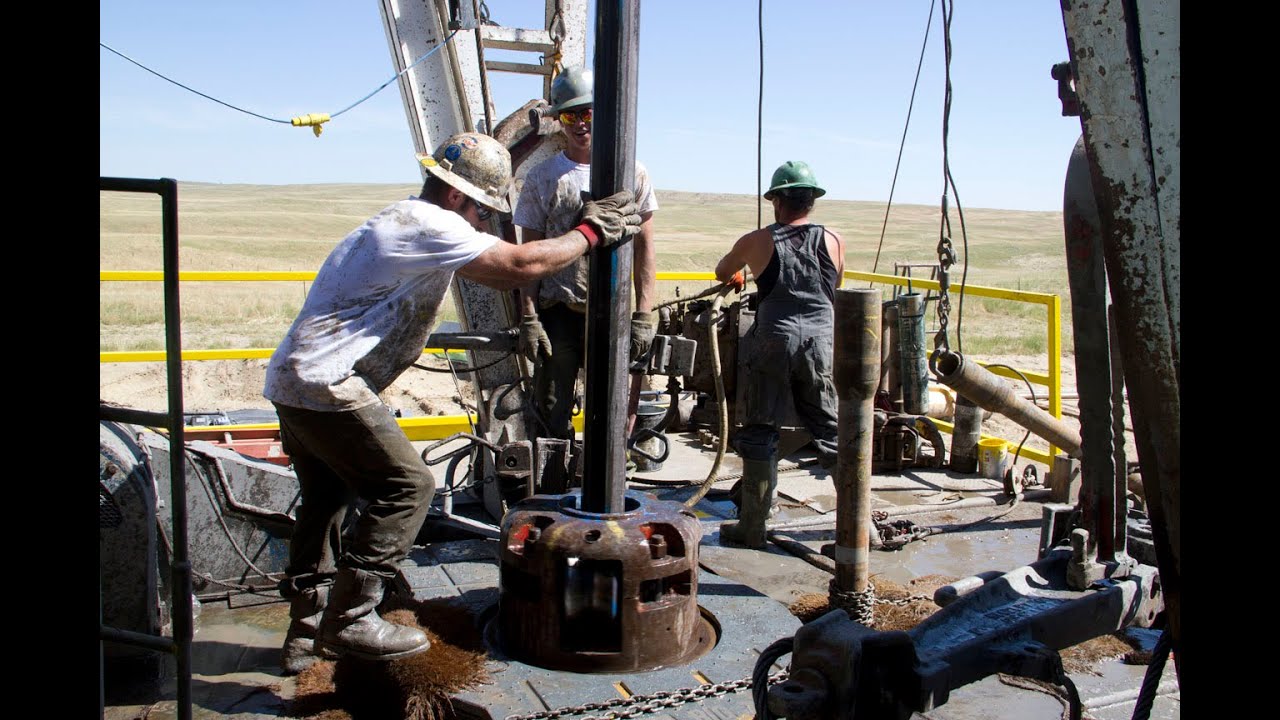
The oil industry is one of the most demanding and high-pressure work environments in the world. Long hours, physically challenging tasks, and extended periods away from family can take a serious toll on both mental and physical health. These stressors increase vulnerability to substance use and mental health struggles among oil sector employees. Supporting workers through addiction and mental health challenges requires understanding the unique demands of the industry, recognizing warning signs early, and providing compassionate, personalized treatment options.
Understanding Addiction in the Oil Sector
Workers in the oil industry face intense pressure to meet production goals while maintaining safety standards. Fatigue, stress, and isolation are common and can contribute to unhealthy coping strategies. Alcohol and drug use may initially seem like a way to manage stress or maintain energy, but over time these behaviors can develop into addiction.
Recognizing addiction early is key to preventing long-term consequences. Warning signs include sudden changes in behavior, decreased productivity, absenteeism, and withdrawal from colleagues or loved ones. Education and awareness among workers, families, and supervisors can help identify issues before they escalate.
Mental Health Challenges in High-Stress Work Environments
Addiction often co-occurs with mental health challenges such as anxiety, depression, or burnout. The demanding schedules, remote work locations, and high-risk responsibilities in the oil industry can exacerbate these conditions. Addressing mental health alongside addiction is crucial for comprehensive recovery. Integrated care approaches that combine therapy, counseling, and medical supervision provide the support needed to heal both mind and body.
Effective Recovery Paths for Oil Industry Workers
Recovery is possible with structured, compassionate care that meets the specific needs of oil sector employees. Programs that combine medical support, psychological counseling, and holistic therapies can create a strong foundation for lasting recovery.
Inpatient and Outpatient Care Options
Inpatient treatment provides a safe, structured environment for individuals struggling with severe addiction. It allows for 24-hour medical supervision, withdrawal management, and focused therapy sessions. Outpatient programs offer flexibility for workers who need to maintain employment while receiving counseling, group therapy, and relapse prevention support. Both approaches prioritize long-term recovery goals and equip individuals with practical coping strategies.
Holistic and Faith-Based Approaches
Holistic care addresses the whole person, including physical, emotional, and spiritual well-being. Activities such as mindfulness practices, physical fitness, and nutrition counseling complement traditional therapy and medical care. Faith-based programs provide additional support, offering hope, purpose, and community for those navigating recovery. These approaches help individuals rebuild resilience and develop healthier ways to manage stress.
Personalized Treatment Plans
Each recovery journey is unique, and individualized care plans are essential for success. Tailoring treatment to a worker’s personal history, family dynamics, job demands, and mental health needs ensures that the program is both relevant and sustainable. Personalized care increases engagement, strengthens coping skills, and reduces the risk of relapse.
Building a Supportive Environment
Recovery is not achieved in isolation. Support from family, friends, and colleagues plays a critical role in maintaining progress. Employers can foster a recovery-friendly culture by providing access to employee assistance programs, mental health resources, and educational initiatives about addiction. Open communication, understanding, and reduced stigma empower employees to seek help early and stay committed to recovery.
Taking the First Step Toward Health and Recovery
Addiction and mental health challenges in the oil industry are serious but manageable with the right support. Recognizing the unique pressures faced by workers, accessing professional treatment, and building a strong support system are critical steps toward recovery. If you or a loved one are struggling, seeking help today can lead to restored health, stronger relationships, and long-term personal and professional success. Compassionate, individualized care offers hope and the opportunity to move from the drill site to a healthier, more fulfilling life.
