Prosperity Comes with a Hidden Cost
Canada’s oil fields are a powerhouse of economic growth, attracting thousands of workers with high-paying jobs and the promise of financial stability. Yet beneath this apparent prosperity lies a hidden crisis. Addiction and mental health challenges are quietly affecting oil field workers, their families, and the communities that support them. The physical demands, long hours, and isolation of oil field work create an environment where substance use can take root, often unnoticed until the consequences become severe.
Understanding this hidden battle is essential for creating effective support systems and providing compassionate care to those affected.
Why Addiction Thrives in Oil Fields
Long Shifts and High Pressure
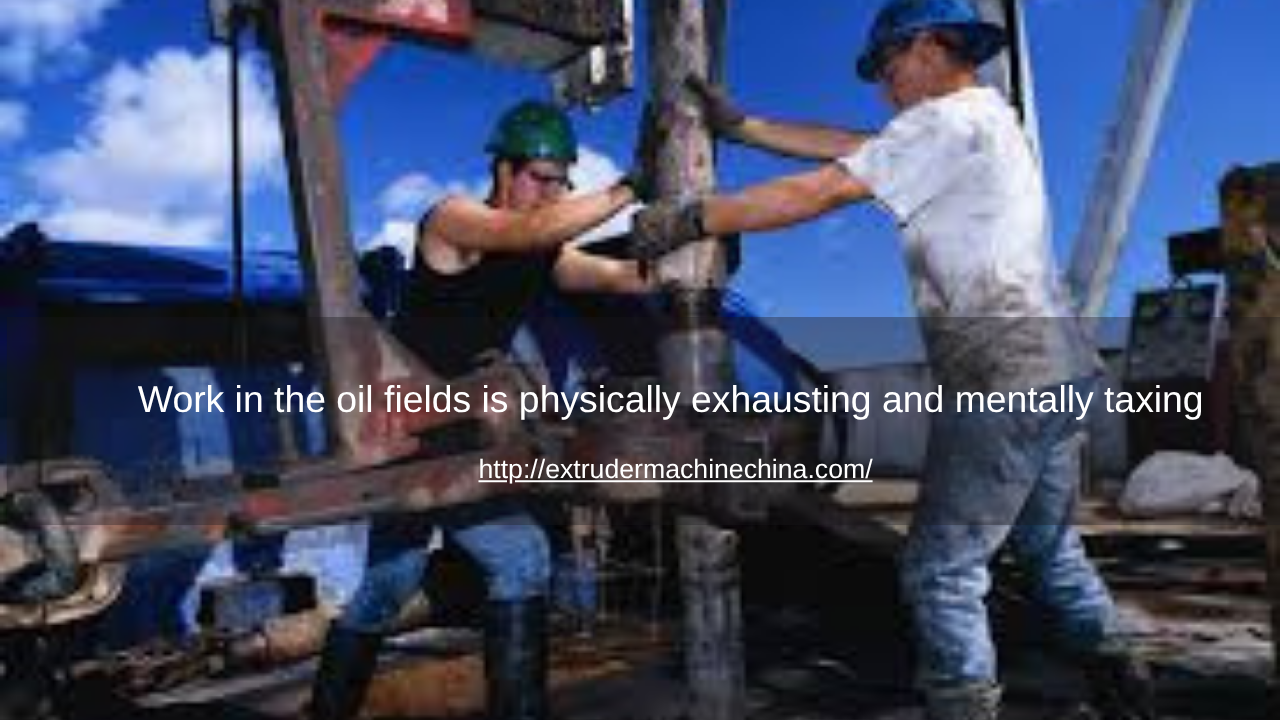
Work in the oil fields is physically exhausting and mentally taxing. Workers often endure extended shifts, hazardous conditions, and constant pressure to maintain productivity. Chronic fatigue and stress can push individuals toward substances such as alcohol, stimulants, or prescription painkillers as a means of coping. What starts as a temporary escape may develop into dependency, affecting both health and personal life.
Isolation from Family and Community
Many oil field workers live in remote camps for weeks at a time. Physical separation from loved ones and community support contributes to loneliness and emotional strain. Without adequate coping mechanisms, workers may turn to drugs or alcohol to manage the emotional burden of isolation, further fueling the cycle of addiction.
Cultural Stigma and Silence
In high-pressure, male-dominated work environments, discussing mental health or addiction is often discouraged. Workers may fear judgment or repercussions, preventing them from seeking help. This culture of silence allows addiction to grow unchecked and makes early intervention less likely.
The Impact on Families and Communities
Addiction in the oil fields is not an individual problem; it ripples outward, affecting families and communities. Loved ones often bear the emotional and financial strain of supporting someone struggling with substance use. Communities surrounding oil field operations face increased healthcare needs, social challenges, and higher rates of substance-related incidents. Recognizing the broader impact highlights the urgency for comprehensive addiction treatment and prevention strategies.
Pathways to Recovery
Inpatient and Outpatient Programs
Professional treatment options provide a structured path toward recovery. Inpatient programs offer a safe and supportive environment for those needing intensive care, while outpatient programs allow individuals to maintain work responsibilities while receiving therapy, counseling, and ongoing support. Both approaches ensure access to effective treatment tailored to each person’s needs.
Holistic and Faith-Based Approaches
Recovery involves addressing the whole person—mind, body, and spirit. Holistic programs combine mental health therapy, physical wellness, mindfulness, and emotional support. Faith-based approaches provide additional strength and purpose for those seeking spiritual guidance. These integrative strategies foster long-term resilience and sustainable recovery.
Personalized Care Plans
No two journeys through addiction are the same. Individualized treatment plans consider each person’s unique history, triggers, and goals, ensuring that care is effective and lasting. Personalization empowers individuals to rebuild their lives while addressing both the physical and emotional aspects of addiction.
Moving Forward with Hope
The oil fields of Canada provide economic opportunity, but they also reveal a hidden human cost. Addiction and mental health struggles are complex, yet recovery is possible. Compassionate, professional, and individualized care gives workers the tools to reclaim their lives and restore balance.
If you or someone you love is struggling with addiction, taking the first step toward help can change everything. With access to inpatient and outpatient programs, holistic support, and faith-based care, recovery is achievable. Reaching out today is the first step toward hope, healing, and a healthier future.
Conclusion:
The hidden battle beneath Canada’s economic boom affects countless workers and families. By recognizing the risks, addressing mental health, and providing compassionate recovery options, individuals can overcome addiction and rebuild their lives. Support is available, and no one has to face this journey alone.
