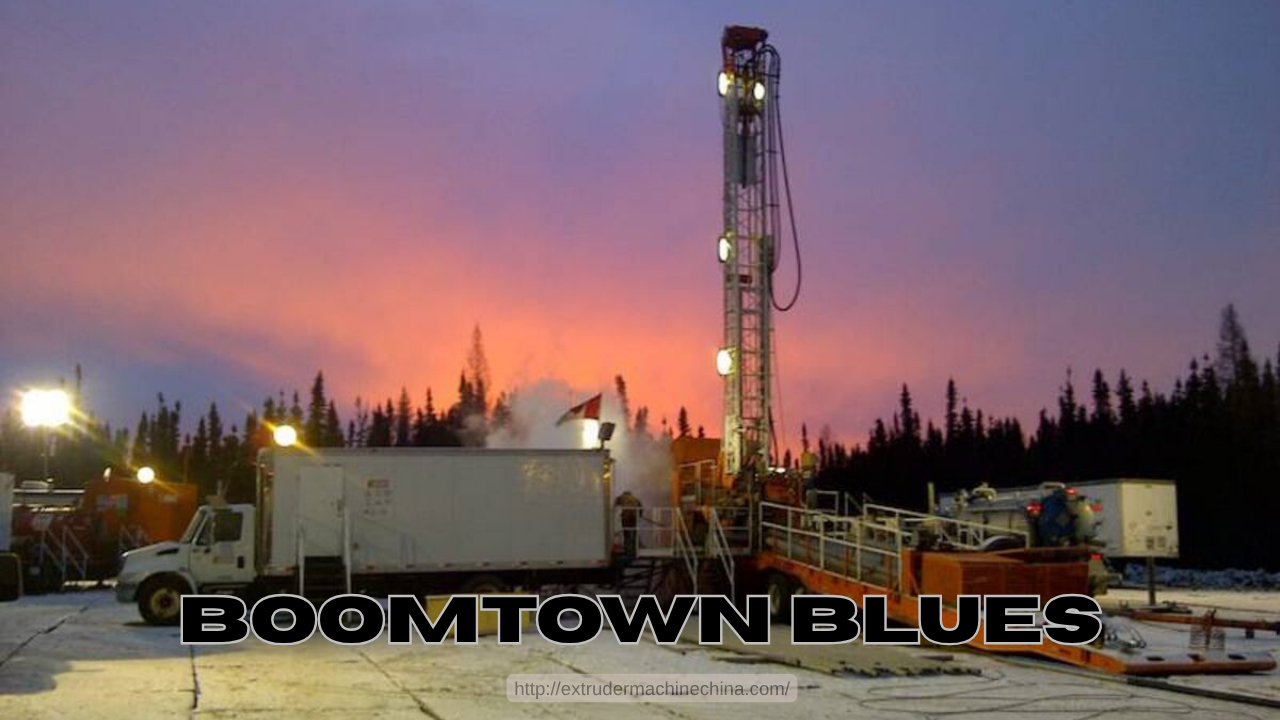
The Hidden Cost of Prosperity
Canada’s oil sands have long been a symbol of economic opportunity. High-paying jobs and the promise of financial security attract thousands of workers from across the country. Yet behind this image of success lies a growing crisis. Addiction and mental health struggles are taking root in oil sands communities, quietly affecting workers and their families. The long hours, isolation, and intense pressure of life in the oil sands have created conditions where substance abuse can flourish.
Understanding the Roots of Addiction in the Oil Sands
Long Hours and High Stress
Work in the oil sands is demanding, both physically and emotionally. Laborers face long shifts, extreme temperatures, and dangerous conditions. The pressure to maintain productivity can lead to chronic fatigue and stress. To cope, some turn to alcohol, opioids, or stimulants for relief. What may start as an occasional escape can quickly evolve into dependency.
Isolation and Loneliness
The oil sands are often located in remote regions, far from major cities and communities. Workers live in temporary camps, separated from family and friends for weeks at a time. The lack of connection and social support contributes to feelings of loneliness and depression. Many use substances to fill the emotional void or to cope with being away from home.
A Culture of Silence
In many oil sands workplaces, talking about mental health or addiction is still taboo. Workers fear judgment, job loss, or being seen as weak if they speak up. This silence allows addiction to worsen over time. Without early intervention or access to mental health resources, individuals often suffer alone until their situation becomes critical.
The Ripple Effects on Families and Communities
Addiction in the oil sands industry extends far beyond the camps. Families back home struggle with emotional distress, financial uncertainty, and fractured relationships. Communities near oil sands operations face rising rates of substance abuse and related social challenges. This growing epidemic highlights the urgent need for awareness, prevention, and professional care.
Pathways Toward Recovery
Inpatient and Outpatient Treatment Options
Professional addiction treatment provides a structured path toward recovery. Inpatient programs allow individuals to step away from high-stress environments and focus on healing in a safe, supportive space. Outpatient programs offer flexibility, helping workers receive therapy and counseling while continuing their professional or family responsibilities.
Holistic and Faith-Based Care
Addiction recovery requires more than detoxification. It involves treating the whole person—mind, body, and spirit. Holistic care integrates physical wellness, nutrition, mindfulness, and emotional healing to promote balance and resilience. Faith-based approaches can add another layer of strength, providing spiritual grounding and a renewed sense of purpose.
Individualized Healing Plans
Every journey through addiction is unique. Personalized treatment plans consider each person’s background, triggers, and recovery goals. By addressing the root causes of addiction rather than just the symptoms, individualized care empowers lasting transformation.
Building Hope and Healing
The addiction epidemic in Canada’s oil sands is a reminder that prosperity without well-being can come at a steep cost. Recovery begins with understanding and compassion. By creating supportive environments that prioritize mental health and providing access to holistic, faith-based, and personalized care, individuals can find a way out of addiction and back to balance.
If you or someone you love is struggling with addiction, now is the time to reach out for help. Compassionate treatment options are available to guide you toward healing and lasting recovery. Taking the first step today can lead to a healthier tomorrow.
