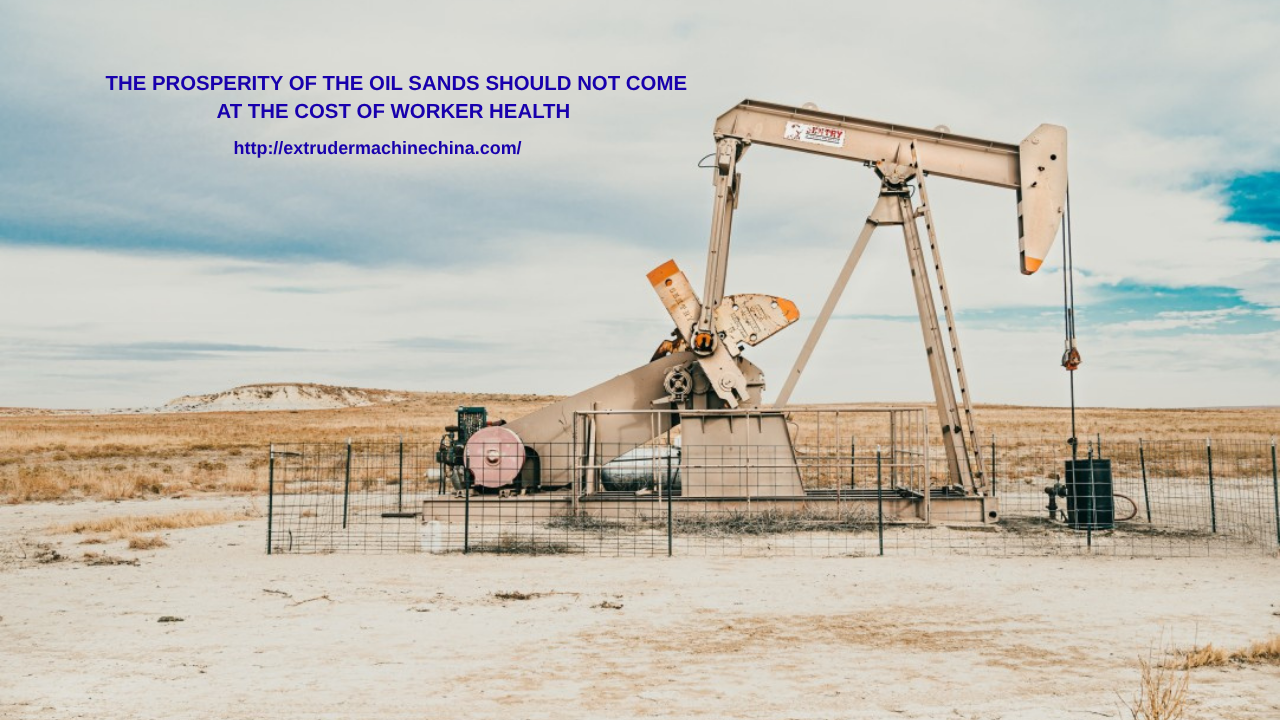
The Canadian oil sands industry has long symbolized economic opportunity and growth. With high wages and steady employment, workers flock from across the country to regions like Fort McMurray, Alberta, in search of financial security. However, behind the booming economy lies a darker reality—an addiction epidemic that is silently gripping the oil sands workforce and surrounding communities.
A Perfect Storm for Addiction
The unique environment of oil sands work creates a breeding ground for substance abuse. Employees often work 12-hour shifts for weeks at a time, living in remote camps far from family and social support systems. These isolated conditions foster feelings of loneliness, boredom, and emotional exhaustion. Many workers turn to substances such as alcohol, opioids, or stimulants to cope with the stress, fatigue, and chronic pain associated with physically demanding labor.
Opioids, in particular, have become a significant concern. Many laborers initially use prescription painkillers to manage injuries and long-term pain but quickly develop dependencies. When prescriptions run out or become too costly, some workers resort to illicit drugs like fentanyl or heroin, increasing the risk of overdose and death.
The Rise of Stimulant Use
Stimulant abuse is also prevalent among oil sands workers. Substances like cocaine and methamphetamine are used to stay awake during long shifts or to boost energy in high-stress environments. While these drugs may provide temporary relief, they carry severe consequences, including addiction, mental health disorders, and heightened safety risks in an already dangerous industry.
Community Impact
The addiction epidemic in the oil sands extends beyond individual workers. Local communities, particularly Fort McMurray, have seen a rise in drug-related crime, homelessness, and hospital admissions for overdoses. Families of oil sands laborers often bear the emotional and financial burden of addiction, dealing with strained relationships, financial instability, and the heartache of watching loved ones struggle.
Local healthcare systems are also overwhelmed. Addiction treatment centers face long waitlists, while emergency services are frequently called to respond to overdoses and related crises. The economic boom of the oil sands has come with an undercurrent of public health concerns that cannot be ignored.
Breaking the Cycle
Addressing the addiction crisis in the oil sands requires a multi-faceted approach. Employers must prioritize employee health by providing comprehensive wellness programs, including mental health counseling, addiction support services, and education about the risks of substance abuse. Creating a culture that encourages workers to seek help without fear of stigma or job loss is critical.
Additionally, governments and local health agencies must invest in accessible addiction treatment services, harm reduction strategies, and community outreach programs. Mobile treatment units, peer support networks, and telehealth options can bridge the gap for workers in remote locations.
Conclusion
The prosperity of the oil sands should not come at the cost of worker health and well-being. By acknowledging the hidden addiction crisis and taking concrete steps to address it, industry leaders, healthcare providers, and policymakers can work together to create a safer, healthier future for both workers and the communities that support them. It’s time to confront the “Boomtown Blues” and break the cycle of addiction in the oil sands.
