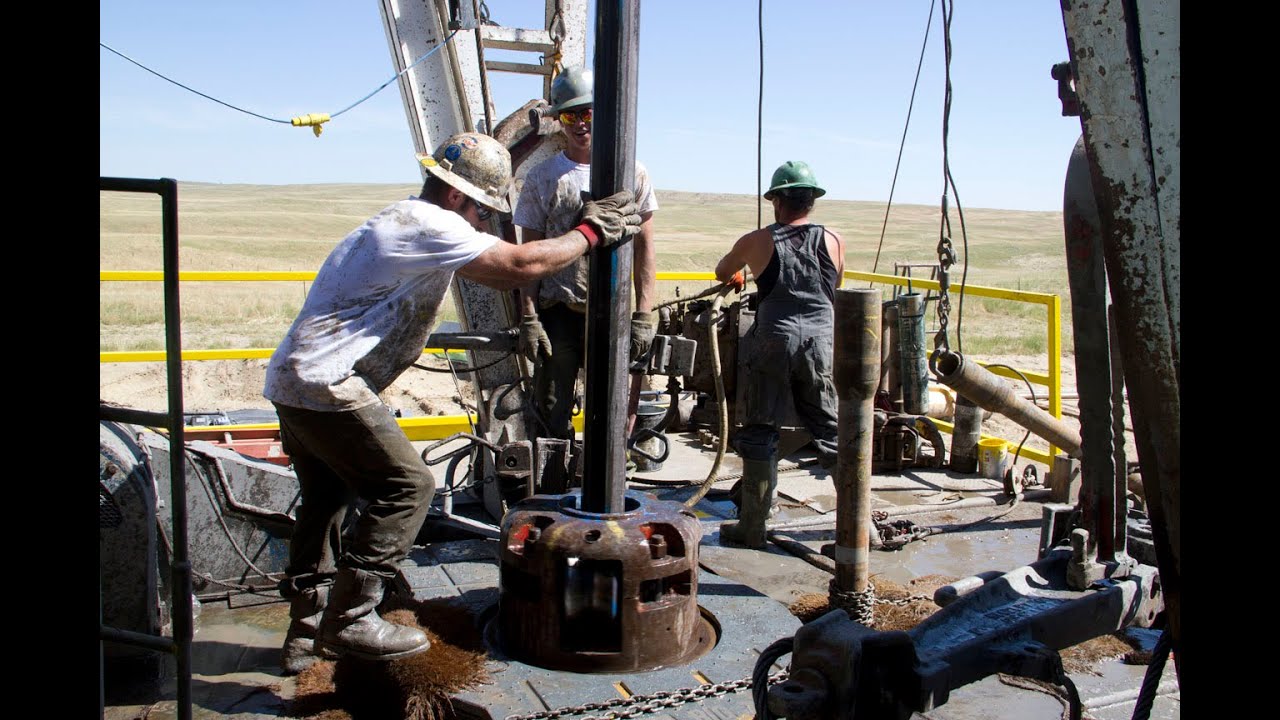
The oil industry is known for its demanding schedules, high-risk environments, and extended periods of time away from home. These factors can create intense stress and contribute to vulnerability to substance use and mental health challenges. Addiction prevention and recovery strategies tailored to the oil industry community are essential for promoting long-term health, safety, and well-being. By understanding the unique pressures of this workforce and implementing supportive approaches, individuals and employers can foster resilience and sustainable recovery.
Understanding Addiction Risks in the Oil Industry
Workers in the oil sector often face physical exhaustion, mental fatigue, and emotional stress due to the high-pressure nature of their work. Long shifts, remote locations, and prolonged time away from family can lead to feelings of isolation and disconnection. These conditions can make employees more susceptible to using alcohol, prescription medications, or other substances as a coping mechanism.
Recognizing early warning signs of addiction is crucial. Symptoms may include decreased productivity, frequent absenteeism, mood changes, and withdrawal from colleagues or loved ones. Awareness and early intervention are key to preventing addiction from escalating and to promoting a healthier workforce.
Prevention Strategies for Building Resilience
Preventing addiction starts with creating an environment that supports mental and emotional well-being. Workers and employers can take proactive steps to reduce risk and build resilience.
Promoting Mental Health Awareness
Education about stress management, substance use, and mental health resources can empower workers to seek help before problems develop. Encouraging open discussions about mental health reduces stigma and allows employees to access support without fear of judgment.
Developing Healthy Coping Mechanisms
Physical activity, mindfulness practices, hobbies, and social engagement are effective ways to manage stress. Establishing routines that include healthy coping mechanisms helps workers maintain balance and reduces reliance on substances during challenging periods.
Encouraging Community and Support Networks
Strong support networks, both at work and home, are essential for resilience. Peer support, mentorship programs, and family involvement can provide emotional stability, accountability, and encouragement. Employers can also contribute by offering employee assistance programs and access to counseling services.
Recovery Strategies for Oil Industry Workers
Even with prevention efforts, some individuals may struggle with substance use or mental health challenges. Comprehensive recovery strategies tailored to the oil industry can provide the structure and support necessary for lasting change.
Inpatient and Outpatient Treatment Options
Inpatient programs provide a structured environment with 24-hour medical supervision, therapy, and guidance for those with severe addiction. Outpatient programs offer flexibility for employees who need to continue working while receiving support. Both approaches focus on relapse prevention, coping skills, and emotional regulation.
Holistic and Faith-Based Approaches
Holistic treatment addresses the mind, body, and spirit, promoting overall well-being. Mindfulness exercises, nutrition, physical fitness, and spiritual guidance can enhance resilience and support sustainable recovery. Faith-based programs offer additional community and purpose, helping individuals navigate challenges with hope and motivation.
Individualized Care Plans
Personalized treatment plans consider each individual’s history, work demands, mental health needs, and family dynamics. Customized approaches increase engagement and improve outcomes by addressing specific challenges unique to oil industry workers.
Creating a Culture of Support
Recovery and prevention are most effective in environments that prioritize support, education, and understanding. Employers can foster a recovery-friendly culture by providing access to mental health resources, offering training on addiction awareness, and reducing stigma around seeking help. Family members and coworkers also play a vital role by encouraging open communication and supporting recovery efforts.
Taking Steps Toward Resilience and Recovery
Addiction prevention and recovery in the oil industry require awareness, proactive strategies, and compassionate support. By building resilience through mental health education, healthy coping mechanisms, and access to professional treatment, individuals can navigate the challenges of their work environment while maintaining their well-being. If you or a loved one are struggling with substance use or mental health challenges, reaching out for help today can be the first step toward lasting recovery and a healthier, more balanced life.