The Hidden Crisis Behind Economic Growth
The oil sands industry in Canada has long been a symbol of prosperity and opportunity. Thousands of workers are drawn to remote camps by the promise of financial stability and high wages. Yet behind this economic success is a growing crisis that rarely makes headlines. In the isolation of oil sands camps, many workers quietly struggle with mental health challenges and substance abuse. These issues are not only taking a toll on individuals but also straining families and communities connected to the industry.
Why Oil Sands Workers Are at Risk
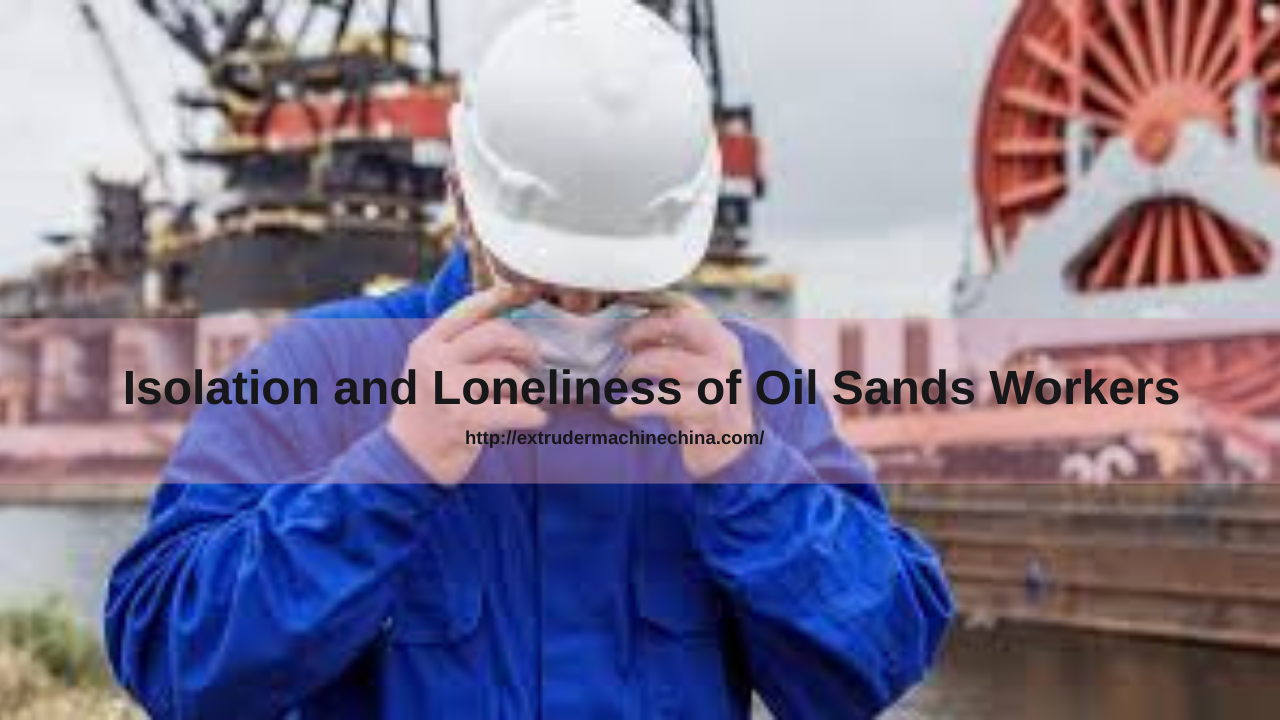
Isolation and Loneliness
Oil sands camps are often located in remote areas where workers spend weeks at a time away from loved ones. The lack of social connection and support can lead to feelings of loneliness, anxiety, and depression. In these conditions, alcohol and drugs can become a way to cope with the emotional burden.
High Stress and Physical Demands
Long shifts, physically demanding work, and dangerous conditions are part of life in the oil sands. Chronic stress and exhaustion increase vulnerability to mental health struggles. Many turn to substances as a way to manage pain or escape the overwhelming pressure of the job.
Culture of Silence
In male-dominated work environments, there is often a culture of silence around mental health. Workers may fear being judged, misunderstood, or even losing their jobs if they admit they need help. This stigma prevents many from reaching out until the situation becomes critical.
The Impact on Families and Communities
The consequences of addiction and untreated mental health challenges reach far beyond the camps. Families back home often feel the emotional and financial strain. Communities near oil sands regions see higher rates of addiction-related issues, including overdoses, family breakdowns, and increased healthcare needs. What begins as an individual struggle often ripples outward, affecting many lives.
Pathways Toward Healing
Inpatient and Outpatient Care
Effective recovery begins with accessible treatment options. Inpatient programs provide structured care and a safe environment for those in need of intensive support. Outpatient services allow individuals to continue working while receiving counseling and treatment. Both approaches give workers the opportunity to choose what best fits their circumstances.
Holistic and Faith-Based Support
True healing requires more than addressing the surface symptoms of addiction. Holistic care focuses on the mind, body, and spirit, integrating practices such as nutrition, mindfulness, physical wellness, and spiritual support. Faith-based approaches offer additional strength for those seeking recovery that aligns with their personal beliefs.
Breaking the Stigma
One of the most powerful steps toward change is normalizing conversations about mental health and addiction. When workers feel safe to speak openly and seek support, they are more likely to begin recovery. Education, compassionate treatment, and community awareness are essential to breaking this cycle of silence.
A Way Forward
The oil sands represent opportunity, but they also reveal the harsh realities of life in remote camps. Mental health challenges and substance abuse are not signs of weakness. They are signs that help is needed. With compassionate, individualized, and holistic care, recovery is not only possible but sustainable.
If you or someone you love is struggling, do not wait until the situation worsens. Addiction recovery and mental health treatment services are available, offering hope and healing for individuals and families. Taking the first step toward help is the beginning of a healthier, brighter future.